Views: 0 Author: Site Editor Publish Time: 2025-11-07 Origin: Site


Have you ever wondered what goes into your food? Food additives play a crucial role in enhancing flavor and extending shelf life. However, recent bans on certain additives in Europe raise important safety concerns.
In this article, we’ll explore which food additives have been banned and why these changes matter. You’ll learn about the implications for consumers and the food industry.
Food additives are substances added to food to enhance its qualities. They serve various purposes, such as preservation, flavor enhancement, and color improvement. These additives help maintain the food’s freshness and appeal, making it safer and more enjoyable for consumers.
For example, preservatives prevent spoilage and extend shelf life, while flavor enhancers make food taste better. Color additives can make products visually appealing, attracting consumers and influencing their choices.
Food additives can be categorized into several types. Here’s a brief overview of the main categories:
● Preservatives: These additives help prevent food spoilage caused by bacteria, molds, and yeasts. Common examples include sodium benzoate and potassium sorbate.
● Flavor Enhancers: These substances enhance the natural flavors of food. Monosodium glutamate (MSG) is one of the most well-known flavor enhancers.
● Sweeteners: Sweeteners can be natural or artificial, providing sweetness without the calories. Examples include sugar, aspartame, and stevia.
● Colors: Color additives improve the appearance of food, making it more appealing. They can be natural (like beet juice) or synthetic (like Red 40).
● Stabilizers: These additives help maintain the texture and consistency of food products. They prevent separation in sauces and dressings. Common stabilizers include xanthan gum and guar gum.
Type of Additive | Purpose | Examples |
Preservatives | Prevent spoilage | Sodium benzoate, potassium sorbate |
Flavor Enhancers | Enhance taste | Monosodium glutamate (MSG) |
Sweeteners | Provide sweetness | Sugar, aspartame, stevia |
Colors | Improve appearance | Beet juice, Red 40 |
Stabilizers | Maintain texture | Xanthan gum, guar gum |
Understanding these categories of food additives helps consumers make informed choices. It’s essential to know what goes into our food and how these substances impact our health and well-being.

The regulation of food additives in the European Union has a long history aimed at ensuring food safety. Over the years, the EU has implemented stringent rules to protect consumers from harmful substances in their food. This includes ongoing evaluations of food additives to assess their safety and effectiveness. The EU plays a crucial role in maintaining high standards for food safety, which is essential for consumer protection.
Recently, several food additives have been banned across Europe due to health concerns and changing consumer preferences. Here’s a detailed list of some notable banned additives:
Additive Code | Additive Name | Description |
E950 | Potassium Acesulfame | Previously used as a low-calorie sweetener. |
E951 | Aspartame | A common artificial sweetener linked to health issues. |
E952 | Cyclamate | Once popular in baked goods. |
E954 | Saccharin | Known for its high sweetness but a bitter aftertaste. |
E955 | Sucralose | Recognized for its high sweetness and stability. |
E959 | Neohesperidin Dihydrochalcone | A natural sweetener derived from citrus. |
E961 | Neotame | Extremely sweet, used in low-sugar products. |
E962 | Sweetener Blend | A combination sweetener designed for better taste. |
E969 | Advantame | A newer sweetener noted for its high sweetness levels. |
These bans reflect a growing awareness of health concerns associated with artificial sweeteners and additives.
The primary reasons for banning these additives include significant health concerns and a rising consumer demand for safer, more natural food products. Many studies have raised questions about the long-term effects of consuming certain artificial sweeteners, leading to increased scrutiny. Additionally, consumers are increasingly seeking transparency in food labeling, pushing manufacturers to reconsider their ingredient choices.
Scientific research plays a vital role in shaping these regulatory decisions. As new evidence emerges about the potential risks of certain additives, regulatory bodies are compelled to act in the interest of public health.
The bans on these food additives stem from the EU regulations (EC) No 1333/2008 and (EU) 2018/97. These regulations outline the safety assessment processes for food additives and set strict guidelines for their use. The updates also provide a transition period for manufacturers to comply with the new rules, ensuring they have time to adjust their formulations.
This regulatory framework reflects the EU's commitment to food safety and consumer protection, adapting to new scientific findings and public health needs. By enforcing these bans, the EU aims to foster a safer food environment for all consumers.
The recent bans on certain food additives have significant implications for food manufacturers. To comply with new regulations, companies must make substantial adjustments to their product formulations. This often means finding alternatives to banned additives, which can be a complex process.
For instance, replacing a sweetener like aspartame requires not only finding a suitable substitute but also ensuring that the new ingredient maintains the desired taste and texture. This reformulation can be challenging, especially for products where the banned additive played a crucial role in flavor or shelf-life.
Banned Additive | Common Uses | Challenges in Reformulation |
E951 (Aspartame) | Soft drinks | Finding a sweetener that mimics taste |
E954 (Saccharin) | Processed foods | Maintaining sweetness without aftertaste |
E955 (Sucralose) | Baked goods | Ensuring stability during baking |
These challenges can lead to increased production costs and may affect product availability on store shelves.
To ease the transition for manufacturers, the EU has established specific periods during which companies can adapt their products. These transition periods allow existing products containing banned additives to remain on the market for a limited time, giving manufacturers a chance to reformulate without immediate pressure.
Typically, these periods can last from several months to a few years, depending on the additive and the product type. This approach helps prevent disruption in the supply chain while ensuring that consumers gradually receive safer products.
Consumer sentiment regarding food additives is rapidly evolving. Many people are becoming more aware of what goes into their food and are increasingly concerned about artificial ingredients. The bans on certain additives reflect a broader trend toward clean labels and natural ingredients.
Surveys indicate that a significant portion of consumers prefer products free from artificial additives. This shift is prompting manufacturers to respond by reformulating their products to meet the demand for transparency and health-conscious options.
As consumers continue to prioritize natural ingredients, food manufacturers are likely to invest in research and development to create cleaner, safer products. This trend is reshaping the landscape of the food industry, encouraging innovation and responsiveness to consumer needs.
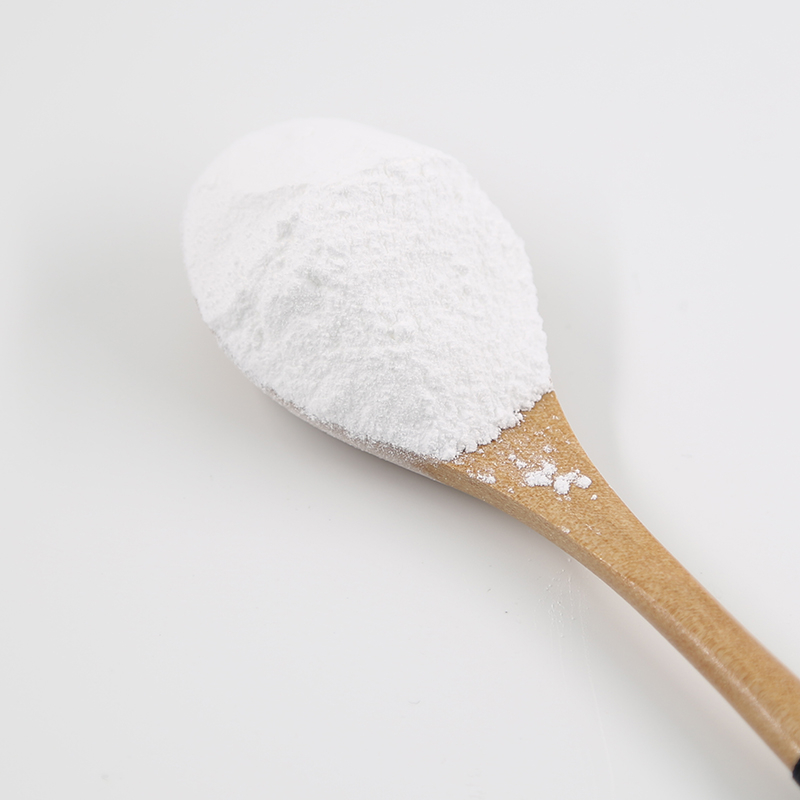
As food manufacturers seek alternatives to banned additives, natural sweeteners have gained popularity. These options not only provide sweetness but also appeal to health-conscious consumers. Here are some of the most commonly used natural sweeteners:
● Honey: A versatile sweetener, honey adds flavor and moisture to products. It also contains antioxidants, making it a healthier choice.
● Agave Syrup: Known for its low glycemic index, agave syrup is sweeter than sugar and works well in beverages and baked goods.
● Maple Syrup: This natural sweetener offers a unique flavor profile and is often used in breakfast items and desserts.
Natural Sweetener | Benefits | Common Uses |
Honey | Antioxidants, moisture | Baked goods, sauces |
Agave Syrup | Low glycemic index, high sweetness | Beverages, dressings |
Maple Syrup | Distinct flavor, natural ingredients | Pancakes, desserts |
These natural sweeteners not only replace banned additives but also enhance the overall quality of products.
In addition to natural sweeteners, there are compliant food additives that manufacturers can use as alternatives. These additives help maintain product quality while adhering to regulations. Some examples include:
● Stevia: A plant-derived sweetener, stevia is calorie-free and much sweeter than sugar. It’s ideal for low-calorie products.
● Xanthan Gum: Often used as a thickening agent, xanthan gum can improve texture in sauces and dressings.
● Pectin: A natural gelling agent, pectin is commonly used in jams and jellies.
Maintaining product quality is crucial as companies reformulate their recipes. It’s essential to ensure that the new ingredients deliver the same taste and texture consumers expect.
The food industry is also witnessing exciting innovations in technology and ingredients that can serve as substitutes for banned additives. Advances in food science are leading to the development of new solutions, such as:
● Fermentation Techniques: These methods can enhance flavor and preserve food without relying on synthetic additives.
● Plant-Based Emulsifiers: Derived from natural sources, these emulsifiers help maintain product stability and improve mouthfeel.
● Microencapsulation: This technology allows for the controlled release of flavors and nutrients, providing a way to enhance taste without harmful additives.
Innovation | Description | Benefits |
Fermentation Techniques | Natural process to enhance flavor and preservation | Reduces the need for artificial preservatives |
Plant-Based Emulsifiers | Natural stabilizers for food products | Improves texture and mouthfeel |
Microencapsulation | Controlled release of flavors and nutrients | Enhances taste without additives |
These innovations not only help replace banned additives but also contribute to a healthier food landscape.
The bans on food additives in Europe are significant for public health. They reflect growing concerns about food safety and consumer preferences. As regulations continue to evolve, it’s essential for consumers to stay informed about what’s in their food. Understanding food additives helps make healthier choices. Staying educated empowers consumers to advocate for safer, more transparent food products.
A: Common food additives include preservatives, sweeteners, colorings, and flavor enhancers.
A: Some additives are banned due to health concerns, potential toxicity, or links to adverse effects.
A: Consumers can check ingredient labels for specific additive names or E numbers that indicate banned substances.
A: Health risks may include allergic reactions, hyperactivity in children, and long-term health issues.
A: Additives enhance flavor, texture, and shelf life, but some may alter natural taste.
A: EFSA evaluates and provides scientific advice on food additives to ensure consumer safety.