Views: 0 Author: Site Editor Publish Time: 2025-11-07 Origin: Site


Processed foods are everywhere, but do you know their impact on your health? Many contain harmful food additives that can affect your well-being. In this article, we’ll explore the five most processed foods to avoid and explain why they matter. You’ll learn how to make healthier choices for better nutrition.
Processed meat products refer to meats that have been modified through methods such as curing, smoking, or adding preservatives. These methods enhance flavor and shelf life but often come at a health cost. Common examples include ham, bacon, sausages, smoked meats, and beef jerky. While they might be tasty, these products can pose significant health risks.
The consumption of processed meats has been linked to several health concerns. Here are some of the main issues:
● High Sodium Content: Processed meats are typically high in sodium, which can lead to increased blood pressure. This, in turn, raises the risk of heart disease and stroke.
● Saturated Fat: These meats often contain high levels of saturated fat, contributing to heart health issues. Excessive intake can lead to clogged arteries and other cardiovascular problems.
● Carcinogenic Compounds: During processing, harmful substances like nitrosamines can form. These compounds are associated with an increased risk of certain cancers, particularly esophageal and stomach cancers.
Health Concern | Description |
High Sodium | Increases blood pressure and heart disease risk |
High Saturated Fat | Contributes to cardiovascular problems |
Carcinogenic Compounds | Linked to certain types of cancer |
The long-term consumption of processed meats can significantly impact health. Research indicates a heightened likelihood of developing serious conditions, including various cancers. For instance, studies show that regular intake of processed meats can increase the risk of esophageal and stomach cancers.
If you’re looking to reduce your intake of processed meats, there are plenty of healthier protein sources available. Consider incorporating:
● Lean Poultry: Chicken and turkey are excellent alternatives. They provide high protein with lower fat content.
● Fish: Rich in omega-3 fatty acids, fish like salmon and mackerel can promote heart health.
● Plant-Based Proteins: Options like beans, lentils, and tofu offer nutritious benefits without the health risks associated with processed meats.
Switching to these alternatives not only enhances your diet but also supports better overall health. Making small changes can lead to significant benefits for your well-being.

Refined grains are grains that have been processed to remove the bran and germ, stripping away much of their nutritional value. Common examples include white bread, pastries, cakes, and chips. While these foods are often convenient and tasty, they come with significant health concerns.
When grains are refined, they lose essential nutrients. This process removes fiber, vitamins, and minerals, which can lead to nutritional deficiencies. The loss of fiber impacts digestive health, making it harder to maintain a feeling of fullness. As a result, people may find themselves snacking more often, which can lead to overeating.
Nutrient Lost | Impact on Health |
Fiber | Affects digestion and satiety |
Vitamins (e.g., B vitamins) | Reduces energy levels and immune function |
Minerals (e.g., iron) | Can lead to anemia and fatigue |
Sugary snacks, often made from refined grains, pose their own set of health risks. Regular consumption can lead to an increased risk of obesity and type 2 diabetes. These snacks are typically high in empty calories, providing little nutritional benefit while contributing to weight gain.
Moreover, sugary snacks can negatively affect dental health. The sugar content promotes cavity formation, leading to dental problems over time. It’s essential to be aware of how these snacks can impact overall health.
Fortunately, there are plenty of healthier options available. Choosing whole grain products, such as whole wheat bread and brown rice, can provide more nutrients and fiber. These alternatives support better digestion and help maintain energy levels.
Additionally, consider making homemade snacks. Options like energy bars or baked goods using whole grains can satisfy cravings without the added sugars and preservatives found in store-bought products.
Lastly, always read labels for hidden sugars. Many seemingly healthy snacks contain added sugars, which can sabotage your health goals. By being mindful of what you eat, you can make better choices for your diet.
Flavored nuts are a popular snack option, often enhanced with various seasonings and coatings. These can include salted, sugar-coated, or spiced varieties, such as honey-roasted and ranch-flavored nuts. While they may seem like a healthy choice, many flavored nuts come with hidden drawbacks.
One of the main issues with flavored nuts is the loss of essential nutrients during processing. When nuts are coated or flavored, they often undergo treatments that diminish their natural health benefits. This can lead to a reduction in healthy fats and other vital nutrients.
Additionally, many flavored nuts contain added sugars and high levels of sodium. For instance, honey-roasted nuts may taste delicious, but they can have significant amounts of sugar, while ranch-flavored options often pack in extra salt. This combination can contribute to various health issues.
Nutritional Concern | Impact on Health |
Added Sugars | Increases risk of obesity and diabetes |
High Sodium | Can lead to hypertension and heart disease |
Consuming flavored nuts in excess can have serious health implications. The high calorie content can impact weight management and metabolic health. Over time, this can lead to weight gain and an increased risk of obesity-related conditions.
Moreover, the high sodium levels found in many flavored nuts can contribute to hypertension. This condition, characterized by elevated blood pressure, poses significant risks for heart health and overall well-being.
To enjoy the benefits of nuts without the drawbacks, consider switching to raw or lightly roasted varieties. These options retain their natural nutrients and healthy fats, making them a better choice for snacking.
If you enjoy flavor, try seasoning your nuts at home using herbs and spices. This allows you to control the ingredients and avoid unnecessary additives. For example, tossing raw almonds with a bit of olive oil and your favorite spices can create a delicious and healthy snack without the extra sugars and sodium.
By making these simple changes, you can enjoy nuts as a nutritious part of your diet without the unhealthy additives found in many flavored options.
Candy and confectionery are among the most tempting processed foods, available in a dazzling array of types. From hard candies and gummies to chocolate bars, these treats often captivate our taste buds. However, many of these options, especially those high in sugar and fat, come with significant nutritional concerns.
Candy can be broadly categorized into several types. Hard candies, like lollipops and mints, provide a long-lasting sweetness. Gummies, often shaped like animals or fruits, are chewy and colorful. Chocolate bars, particularly those loaded with sugar and unhealthy fats, are favorites for many. While these sweets may be enjoyable, they often lack nutritional value.
One of the main issues with candy is its high sugar content, which contributes to empty calories. These calories provide little to no nutritional benefit, leading to potential nutrient displacement in our diets. When we fill up on candy, we may miss out on essential nutrients found in healthier foods.
Nutritional Issue | Impact on Health |
High Sugar Content | Increases risk of obesity and diabetes |
Empty Calories | Reduces intake of essential nutrients |
Excessive candy consumption can lead to various health problems. Regularly indulging in these sugary treats raises the risk of obesity, which is linked to numerous chronic conditions like type 2 diabetes. Additionally, candy can wreak havoc on dental health, leading to cavities and other oral issues.
Long-term effects on metabolic health are also concerning. A diet high in sugar can disrupt normal metabolic processes, potentially leading to insulin resistance and increased fat storage. This cycle can create lasting health challenges.
Fortunately, there are healthier alternatives to satisfy your sweet tooth. Dark chocolate with a high cocoa content offers a richer flavor and beneficial antioxidants without excessive sugar. Look for options with at least 70% cocoa for the best health benefits.
Fruit-based snacks, such as fruit leather made without added sugars, can also be a delicious choice. These snacks retain the natural sweetness of fruit while providing essential vitamins and minerals. By opting for these alternatives, you can enjoy sweet treats without the harmful additives found in traditional candies.
Dried fruits and vegetables are often marketed as healthy snacks, but they can be misleading. Common examples include raisins, dried mango, vegetable chips, and even candied fruits. While they may seem like a nutritious option, many commercial dried products come with significant nutritional drawbacks.
One major concern with dried fruits and vegetables is the addition of sugars and unhealthy oils. For instance, many dried fruits are coated in sugar to enhance their flavor, which can significantly increase their calorie content. Vegetable chips, often fried in unhealthy oils, can also contribute to unwanted fat intake.
Nutritional Concern | Impact on Health |
Added Sugars | Increases risk of obesity and diabetes |
Unhealthy Oils | Contributes to heart disease and weight gain |
Moreover, the drying process can lead to a loss of essential vitamins, particularly vitamin C. This nutrient is crucial for immune function and overall health, and its reduction in dried products can diminish their nutritional value.
Consuming processed dried snacks in excess can pose several health risks. The high calorie content found in many of these products can lead to weight gain, especially when eaten mindlessly. It's easy to overindulge in dried fruits, thinking they are healthy, but the calories can add up quickly.
Another potential issue is the risk of mycotoxins in improperly stored dried fruits. These toxic compounds can develop when dried products are not stored correctly, posing serious health risks if consumed.
To enjoy the benefits of dried fruits and vegetables without the downsides, consider opting for freeze-dried or unsweetened varieties. Freeze-drying preserves nutrients better than traditional drying methods, making it a healthier choice.
Always check labels for added ingredients. Look for products that contain only the fruit or vegetable itself, without added sugars or unhealthy oils. By being mindful of what you choose, you can enjoy dried fruits and vegetables as part of a balanced diet without the harmful additives often found in processed versions.
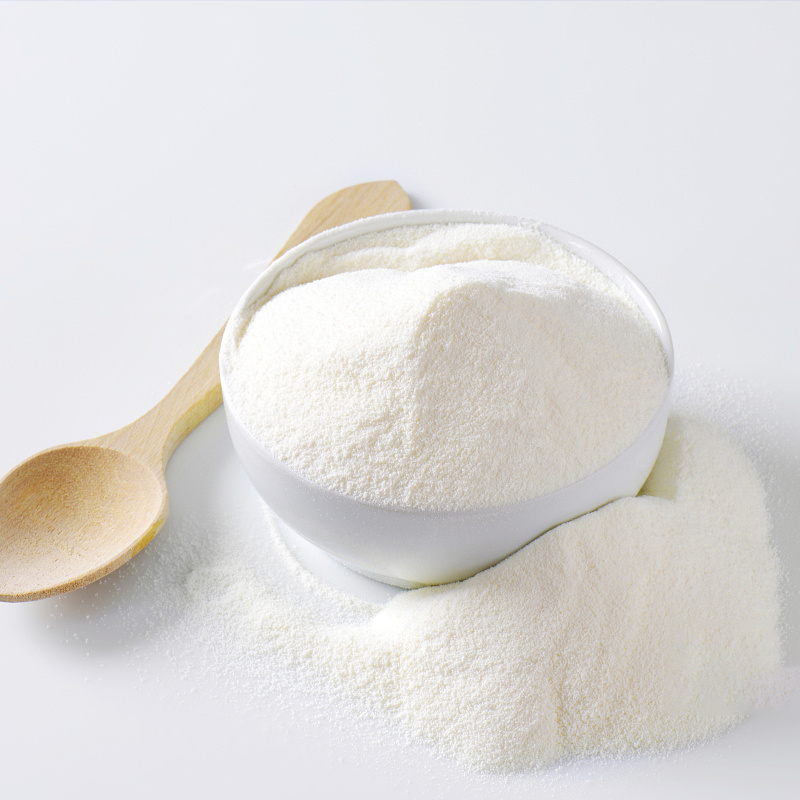
Food additives play a significant role in the world of processed foods, often enhancing their appeal and longevity. But what exactly are food additives, and why are they used? Let's explore these questions in detail.
Food additives are substances added to food to achieve specific effects. Their primary purpose is to enhance flavor, texture, or shelf-life. There are two main categories: natural and synthetic additives. Natural additives come from plant or animal sources, while synthetic additives are chemically manufactured.
Processed foods often contain various types of additives, including:
● Preservatives: These extend shelf-life by preventing spoilage.
● Flavor Enhancers: They boost the natural flavors of food.
● Colorings: These improve the visual appeal of products.
● Emulsifiers: They help mix ingredients that typically don't blend well, like oil and water.
● Thickeners: These create a desired texture in sauces and soups.
Type of Additive | Purpose |
Preservatives | Prevent spoilage and extend shelf-life |
Flavor Enhancers | Enhance taste |
Colorings | Improve appearance |
Emulsifiers | Stabilize mixtures |
Thickeners | Modify texture |
The use of food additives serves multiple purposes. First, they enhance flavor, texture, and overall quality, making processed foods more enjoyable. Additionally, they meet consumer demand for convenience and variety. In today's fast-paced world, people often prefer foods that are ready to eat or require minimal preparation.
Moreover, food additives play a crucial role in food safety and quality control. They help maintain the integrity of products during storage and transport, ensuring that consumers receive safe and high-quality food.
Regulatory bodies, such as the FDA (Food and Drug Administration) in the United States and JECFA (Joint FAO/WHO Expert Committee on Food Additives), oversee the safety of food additives. These organizations conduct safety assessments to determine allowable limits for various additives.
However, misconceptions about food additives persist. Many people confuse legal food additives with illegal substances. For instance, additives like melamine and Sudan dyes are banned due to their harmful effects. It's important to differentiate between regulated food additives, which are deemed safe, and illegal additives that pose health risks.
Understanding food additives helps consumers make informed choices about the processed foods they consume. By being aware of what goes into our food, we can better navigate the complex landscape of modern diets.
In summary, the five most processed foods to avoid include sugary snacks, processed meats, instant noodles, dried fruits, and sugary beverages.
Making informed food choices is crucial for your health. Always read labels to understand food additives in products.
By being aware of what you eat, you can adopt healthier eating habits. Cooking at home is a great way to control ingredients and enjoy nutritious meals.If you have any questions, you can ask us for help.