Tip: Talk to your vet before you add anything new to your dog's diet.
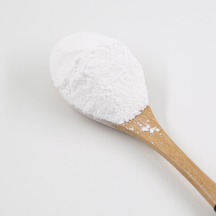
Pectin is safe for dogs if you use a small amount. Start with a teaspoon for small dogs. Change the amount based on your dog's size.
Watch your dog for stomach problems when you give pectin. Signs are gas, bloating, or diarrhea.
Pectin can help your dog digest food better. It helps them get more nutrients from their meals.
You can use pectin to help with loose stools. It soaks up water and makes bathroom time easier for your dog.
Talk to your vet before you add pectin to your dog's food. This is important if your dog has health problems or takes medicine.
Pick good pectin products that your dog can digest easily. Try to find ones with probiotics for extra help.
If your dog has any bad reaction to pectin, stop using it right away. Call your vet for advice.
If pectin does not work for your dog, try other fiber sources. Canned pumpkin or green beans are good options.
You might ask, can dogs have pectin? The answer is yes, but you need to pay attention to how much you give. Pectin is a type of fiber that comes from fruits. You see it in many foods, including some dog treats and pet foods. When you use it the right way, it can help your dog's digestion. If you use too much, it can cause problems.
Pectin is a natural fiber found in fruits like apples, oranges, and lemons. People use it to make jams and jellies thick. You also find it in some dog foods and treats. Pectin helps hold things together and adds fiber to your dog's diet. Many pet food makers add it because it helps with texture and can support healthy digestion.
Here’s a quick look at how much pectin you can give your dog each day:
Dog Size | Recommended Dosage |
|---|---|
Small dogs | 1 teaspoon |
Medium dogs | 2 teaspoons |
Large dogs | 1 tablespoon |
You should always measure pectin before adding it to your dog's food. Too much can upset your dog's stomach.
Your dog's body handles pectin a bit differently than other fibers. Pectin is a soluble fiber. This means it mixes with water and turns into a gel in your dog's gut. The bacteria in your dog's intestines break it down quickly. This process can help your dog digest food better and keep their stool firm.
Let’s compare pectin to another common fiber, cellulose:
Fiber Type | Solubility | Fermentation Rate | Effect on Digestibility |
|---|---|---|---|
Pectin | Soluble | Rapidly fermented | Increases dry matter and energy digestibility, may decrease crude protein digestibility |
Cellulose | Insoluble | Minimally fermented | Increases fecal bulk, minimal effect on nutrient absorption |
Pectin helps your dog get more energy from food. It can also make stools less runny. But if you use too much, it might lower how much protein your dog absorbs.
You may wonder, is pectin toxic? The good news is that pectin is not toxic to dogs. Most dogs can handle small amounts without trouble. You still need to watch for signs of stomach upset, like gas or diarrhea. If your dog has a sensitive stomach or a health problem, talk to your vet before adding pectin.
So, can dogs have pectin? Yes, they can, as long as you use the right amount. Always start with a small dose and see how your dog reacts. If you notice any problems, stop giving pectin and call your vet. Used in moderation, pectin is safe for dogs and can even help with digestion.
Note: Always check with your vet before making changes to your dog's diet. Every dog is different.
You want to know, is pectin safe for dogs? The short answer is yes, pectin is safe for dogs when you use it the right way. Many dog foods and treats include pectin because it helps with texture and adds fiber. You just need to pay attention to how much you give and watch for any signs of trouble.
Start with small amounts when you add pectin to your dog's diet. Most dogs do well with a teaspoon or less, depending on their size. If you have a large dog, you can go up to a tablespoon. Always measure before you add it to food. Too much can upset your dog's stomach.
Tip: Mix pectin into your dog's regular food so it blends well and is easier to digest.
Here’s a quick guide for safe amounts:
Dog Size | Safe Amount of Pectin |
|---|---|
Small | 1 teaspoon |
Medium | 2 teaspoons |
Large | 1 tablespoon |
If you stick to these amounts, pectin is safe for dogs and can even help with digestion.
You might wonder what happens if your dog eats too much pectin. Giving more than the recommended amount can cause problems. Some dogs may react right away, while others might show signs after a few days.
Too much pectin can upset your dog's stomach. You may notice:
Gas or bloating
Diarrhea
Stomach discomfort
If you see these signs, stop giving pectin and let your dog rest. Most dogs feel better after a day or two, but you should call your vet if symptoms last.
Pectin is a soluble fiber, so it can slow down how your dog absorbs some nutrients. If you use too much, your dog might not get enough protein or other important nutrients from their food. This can lead to low energy or poor coat health over time.
Note: Always watch your dog for changes in appetite, energy, or stool when you add something new to their diet.
Some dogs have special health needs. If your dog has a sensitive stomach, diabetes, or takes medication, you should talk to your vet before adding pectin. Pectin can sometimes interact with medicines or make some health problems worse. Your vet can help you decide if pectin is right for your dog and how much is safe.
So, is pectin safe for dogs? Yes, it is, as long as you use the right amount and watch for any signs of trouble. Always start slow and check with your vet if you have any doubts.
You might wonder why you should add pectin to your dog's diet. The benefits of pectin for dogs go beyond just being a simple fiber. When you use it the right way, pectin can help your dog's tummy, support regular bathroom habits, and even make meals healthier.
Pectin can do a lot for your dog's digestive system. When you add pectin to your dog's food, it acts as a soluble fiber. This means it mixes with water in the gut and forms a gel-like substance. Your dog's gut bacteria love this! They break down the pectin and help your dog get more out of their food.
A study found that when dogs ate more pectin, they digested dry matter and energy better. Their bodies could use more of the food they ate. This means your dog might get more energy from the same amount of food. But you should know that too much pectin can lower how much protein your dog absorbs. So, always use the right amount and watch how your dog feels.
Tip: If your dog has a sensitive stomach, start with a small amount of pectin and see how they react.
Pectin is a great source of fiber for dogs. Fiber helps keep your dog's digestive system moving. It can also help your dog feel full after eating, which is helpful if your pup needs to lose a little weight. Unlike some other fibers, pectin is easy for your dog's gut bacteria to break down. This makes it a gentle choice for most dogs.
Here’s a quick look at how pectin compares to other common fiber sources:
Fiber Type | Solubility | Effect on Digestion | Common Source |
|---|---|---|---|
Pectin | Soluble | Boosts energy and dry matter digestion | Apples, citrus fruits |
Cellulose | Insoluble | Adds bulk, less effect on nutrients | Vegetables, plants |
Beet Pulp | Mixed | Softens stool, supports gut health | Sugar beet |
You can see that pectin stands out as a fiber that helps with both digestion and energy.
No one likes to clean up after a dog with runny poop. Pectin can help with that, too! Because it is a soluble fiber, pectin soaks up water in your dog's gut. This makes your dog's stool softer but still formed. If your dog struggles with hard or dry stools, pectin can make bathroom time easier.
Studies show that pectin helps reduce the time food spends in your dog's gut and increases the weight of their poop. Compared to other fibers like beet pulp or cellulose, pectin makes stools softer because it holds more water. This can be a big help if your dog has trouble with constipation or irregular stools.
Note: Always watch your dog's stool when you try new foods or supplements. Changes in consistency can tell you a lot about their health.
When you look at the potential health benefits of pectin, you see that it supports digestion, provides gentle fiber, and helps keep your dog's bathroom habits regular. Just remember to use it in moderation and talk to your vet if you have questions.
You might have heard about modified citrus pectin and wondered what it is. Modified citrus pectin comes from the peel and pulp of citrus fruits like oranges and lemons. Scientists change the structure of regular pectin to make modified citrus pectin easier for your dog’s body to use. This special form of pectin dissolves in water and gets absorbed in the gut. Many people choose modified citrus pectin because it can support your dog’s digestive health and help with regular bowel movements. You will see modified citrus pectin in some supplements for dogs. It is different from the pectin you find in jams or jellies. Modified citrus pectin is made to be gentle on your dog’s stomach and easy to mix into food or water.
You want to know how to give modified citrus pectin to your dog. The recommended dosage of pectin for dogs depends on their size. You can use this table to find the right amount:
Dog Size | Recommended Dosage |
|---|---|
Mid-sized & Large Dogs | 1 scoop daily |
Cats & Small Dogs | ½ scoop daily |
When you start using modified citrus pectin, always measure the scoop that comes with the product. You can mix modified citrus pectin into your dog’s food or water. Most dogs do not notice the taste. If you wonder how to give modified citrus pectin, just sprinkle it on their meal and stir. You should start with the recommended dosage of pectin for dogs and watch for any changes in your dog’s stool or appetite. If your dog is very young or very old, ask your vet before you begin using modified citrus pectin.
Tip: Give modified citrus pectin at the same time each day to help your dog get used to it.
You might worry about safety when you try something new for your dog. The good news is that modified citrus pectin is very safe for dogs. Most dogs do not have any side effects when they use modified citrus pectin, even for a long time. Some dogs may get a little digestive upset or show signs of an allergy, but this is rare. In most cases, you will not see any problems. If your dog has a sensitive stomach, start with a small amount of modified citrus pectin and increase slowly. Always watch for signs like vomiting, diarrhea, or itching. If you see anything unusual, stop using modified citrus pectin and call your vet. Long-term use of modified citrus pectin does not cause big safety risks. You can feel confident about adding modified citrus pectin to your dog’s routine if you follow the guidelines.
Note: Always talk to your vet before starting any new supplement, especially if your dog has health problems or takes medicine.
You now know the basics of using modified citrus pectin for your dog. With the right dose and a little care, modified citrus pectin can be a helpful part of your dog’s diet.
You might see yogurt with pectin at the store and wonder if you can share it with your dog. The answer is yes, you can give your dog yogurt with pectin, but you need to choose the right kind. Always pick yogurt that does not have added sugar, artificial sweeteners, or flavors. Some sweeteners, like xylitol, are very dangerous for dogs. Pectin itself is safe, but extra ingredients can cause problems.
Yogurt with pectin helps the yogurt stay thick and creamy. Pectin comes from fruit, so it does not harm your dog in small amounts. If your dog has never tried yogurt before, start with a tiny spoonful. Watch for any signs of stomach upset. Many dogs enjoy yogurt as a cool treat, especially on hot days.
Note: If your dog has trouble with dairy, you can try lactose-free yogurt alternatives. These are easier on sensitive stomachs.
You want to know how much yogurt is safe for your dog. The answer depends on your dog’s size and how well they handle dairy. For most dogs, a small amount is best. Too much yogurt can upset your dog’s stomach or cause loose stools.
Here’s a simple guide:
Dog Size | Safe Serving of Yogurt |
|---|---|
Small | 1-2 teaspoons |
Medium | 1-2 tablespoons |
Large | 2-4 tablespoons |
Always use plain yogurt or yogurt with pectin that does not have extra sugar or flavors. Mix a little into your dog’s food or give it as a treat. You can even freeze yogurt in small cubes for a fun snack. If your dog is new to yogurt, start with the smallest amount and see how they react.
Tip: Give yogurt with pectin only a few times a week, not every day.
Some dogs do not handle yogurt well. You need to watch for signs that your dog might be sensitive. Look for these signs after your dog eats yogurt with pectin:
Gas or bloating
Diarrhea
Vomiting
Itchy skin or ears
If you see any of these signs, stop giving yogurt right away. Call your vet if your dog does not feel better in a day or two. Every dog is different. Some dogs love yogurt and feel great, while others need to avoid it.
You can always try plain yogurt or lactose-free yogurt alternatives if your dog has a sensitive stomach. These options are gentle and still give your dog the benefits of yogurt with pectin.
Remember: Always check the label before you share yogurt with your dog. Simple is best!
You might have heard about kaopectate for dogs if your pup has an upset stomach. Kaopectate is a medicine that helps treat diarrhea. The main ingredient is bismuth subsalicylate. This ingredient fights bacteria like E. coli, Salmonella, and Campylobacter jejuni. It can help your dog feel better by calming nausea and stopping diarrhea. You should know that kaopectate for dogs is not officially approved by the FDA for animals, but many vets use it when needed.
Note: Kaopectate for dogs works best when you use it under a vet’s guidance. Never give it to your dog without talking to your vet first.
You may wonder when kaopectate for dogs is a good idea. Vets sometimes suggest it for mild diarrhea, but only after they check your dog. Here are some times when your vet might recommend it:
Your dog has mild diarrhea but acts normal otherwise.
Your vet wants to treat diarrhea caused by bacteria.
Your dog does not have other serious symptoms like vomiting, blood in stool, or weakness.
You should always call your vet before you give kaopectate for dogs. Sometimes, diarrhea can be a sign of a bigger problem. Kaopectate can hide symptoms that need quick treatment. Your vet will help you decide if it is safe for your dog.
Tip: If your dog has diarrhea and seems very sick, do not wait. Call your vet right away.
You need to know the right way to give kaopectate for dogs. The dose depends on your dog’s weight. Here is a simple guide:
Dog Weight | Liquid Dose (ml) | Tablet Dose (262 mg) |
|---|---|---|
10 lbs | 5–15 ml | 2/3 tablet |
20 lbs | 10–30 ml | 1⅓ tablets |
30 lbs | 15–45 ml | 2 tablets |
You can give kaopectate for dogs 1 to 3 times a day, with or without food. Do not use it for more than 48 hours unless your vet says so.
Here are some important precautions:
Wait at least 2 hours after other medicines before giving kaopectate for dogs, especially if your dog takes antibiotics or blood pressure pills.
Do not use kaopectate for dogs if your pup takes diuretics. This can cause serious problems like an irregular heartbeat.
Never mix kaopectate for dogs with NSAIDs such as carprofen or meloxicam. Be careful with other drugs like ACE inhibitors and digoxin.
If your dog is allergic to Pepto Bismol, meloxicam, or other NSAIDs, avoid kaopectate for dogs.
Note: Always watch your dog for side effects like vomiting, tiredness, or changes in behavior. If you see anything unusual, stop the medicine and call your vet.
Kaopectate for dogs can help with mild diarrhea, but you must use it safely. Always check with your vet before you start, and follow their advice for the best results.
Adding pectin in a dog's diet can be helpful, but you want to make sure you do it the right way. Picking the best product, starting slow, and knowing when to ask for help will keep your dog happy and healthy.
Not all pectin products are the same. You want to look for a product that is safe, effective, and easy for your dog to digest. Here’s a table to help you choose:
Criteria for Selection | Description |
|---|---|
Solubility | Highly soluble pectin helps your dog digest food better and supports gut health. |
Combination with Probiotics | Products with both pectin and probiotics give your dog the best support for their stomach. |
Daily Replenishment | Pick a product you can give every day to keep the benefits going strong. |
Inertness | Choose pectin that is gentle and does not cause side effects. |
Prebiotic Properties | Look for pectin that helps good bacteria grow in your dog’s gut. |
Always read the label before you buy. If you feel unsure, speak with your veterinarian. They can help you pick a product that fits your dog’s needs.
When you start giving pectin, go slow. Begin with a small amount and mix it into your dog’s regular food. Watch your dog for any changes. Some dogs need time to get used to new foods. If your dog seems fine, you can slowly increase the amount until you reach the recommended dose.
Here are some tips for a smooth start:
Start with half the usual dose for the first few days.
Mix pectin with wet food or a little water to help it blend.
Give pectin at the same time each day to build a routine.
Watch for changes in stool, appetite, or energy.
If you notice anything unusual, speak with your veterinarian. They can guide you on what to do next.
Sometimes, dogs react to new foods or supplements. You need to know when to ask for help. Stop giving pectin and consult your vet if you see:
Persistent vomiting or diarrhea
Signs of an allergic reaction, such as swelling or hives
Changes in appetite or behavior
You should also speak with your veterinarian if your dog has a health condition or takes medicine. They can tell you if pectin in a dog's diet is safe. If you ever feel unsure, consult with a veterinarian. It’s always better to be safe and keep your dog feeling their best.
Tip: When in doubt, speak with your veterinarian. They know your dog and can help you make the best choices.
If you want to boost your dog’s fiber but don’t want to use pectin, you have plenty of choices. Some dogs do better with other fiber sources. You might even find that your dog likes the taste of these options more.
You can add fiber to your dog’s diet in many ways. Some foods work well for most dogs and are easy to find at the store. Here are some popular choices:
Canned pumpkin: Many dog owners use canned pumpkin for firming up loose stools. It is gentle on the stomach and most dogs love the taste.
Green beans: These are low in calories and high in fiber. You can give them cooked or raw, but skip the salt and seasonings.
Sweet potatoes: Cooked sweet potatoes add fiber and vitamins. They also taste sweet, so picky dogs often enjoy them.
Whole grains: Brown rice, oatmeal, and barley can help with digestion. Make sure you cook them well and serve in small amounts.
Fruits and vegetables: Apples (without seeds), carrots, and blueberries give your dog extra fiber and nutrients.
Glandex: This is a supplement made just for dogs. It contains fiber from pumpkin, apple pectin, and other sources. Many vets recommend it for dogs with anal gland issues.
You can try one or mix a few to see what your dog likes best. Always start with a small amount and watch for any changes in your dog’s stool or appetite.
Tip: If you use canned pumpkin, pick the plain kind. Avoid pumpkin pie filling because it has sugar and spices that can upset your dog’s stomach.
You might wonder if a fiber supplement is better than whole foods. Both have pros and cons. Here’s a quick table to help you decide:
Fiber Source | Pros | Cons |
|---|---|---|
Whole Foods | Natural, adds vitamins and minerals | Can be messy, some dogs are picky |
Fiber Supplements | Easy to measure, made for dogs | Can cost more, may have additives |
Glandex | Vet-recommended, targets anal glands | Not all dogs like the taste |
Supplements like Glandex are easy to use and made for dogs. They work well if your dog needs extra help with digestion or anal glands. Whole foods give more variety and extra nutrients. You can mix both for the best results.
Note: Always talk to your vet before you switch fiber sources or try a new supplement. Your dog’s needs may change with age, health, or diet.
You have many ways to help your dog get enough fiber. Try different options and see what works best for your furry friend!
You want your dog to feel their best. Pectin can help with digestion, firm up stool, and even support weight control. When you use pectin in moderation, you get these benefits:
Helps regulate bowel movements
Absorbs water to make food move smoothly
Firms up loose stool
Promotes fullness for weight management
Too much pectin can cause gas or bloating. Always start slow and talk to your vet before making changes. Smart choices keep your pup happy and healthy!
You can give puppies a tiny amount of pectin, but always ask your vet first. Puppies have sensitive stomachs. Start slow and watch for any tummy troubles.
Both types work well for most dogs. Apple pectin comes from apples, while citrus pectin comes from oranges or lemons. You can use either, but always choose a pure, dog-safe product.
Yes, pectin can help firm up loose stools. Mix a small amount into your dog’s food. If diarrhea lasts more than a day, call your vet right away.
Most dogs do not get allergies from pectin. If you see itching, swelling, or stomach upset, stop using it. Call your vet if symptoms do not go away.
Watch for signs like gas, bloating, or diarrhea. If you notice these, stop giving pectin and let your dog rest. Too much fiber can upset your dog’s stomach.
You should not give your dog human supplements without checking with your vet. Some products have extra ingredients that are not safe for dogs.
Pectin can help your dog feel full after meals. This may help with weight control. Use it as part of a balanced diet and regular exercise.
Stop giving pectin right away. Offer fresh water and let your dog rest. If your dog seems sick or symptoms last, call your vet for advice.