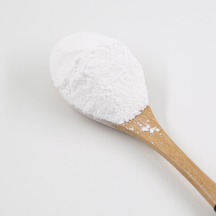
Pectin can go bad, but it mainly affects quality, not safety. Old pectin may not gel properly, leading to runny jams.
Check the expiration date on pectin packages. Most pectin remains effective for one to two years after production.
Store pectin in a cool, dry place to maintain its gelling power. Avoid heat and moisture to extend its shelf life.
After opening, seal pectin tightly to prevent clumping and moisture absorption. Consider using airtight containers for better protection.
If your jam doesn't set, test your pectin first. Mix a small amount with sugar and water to check its gelling ability.
Use underripe fruit for better gelling results. Less ripe fruit contains more natural pectin, which helps jams set properly.
If pectin is expired, consider non-food uses like crafts or composting. Avoid using it in recipes if it shows signs of spoilage.
Always keep a backup box of pectin in your pantry. This ensures you can salvage a batch if your pectin fails to work.
You might wonder, can pectin go bad? The answer is yes, but not in the way you expect. When you ask, can pectin go bad, you usually worry about safety. In reality, the main issue is quality. Pectin does not spoil like dairy or meat. Instead, it loses its power to gel your jams and jellies. If you use old pectin, your recipe might not set right. Many home cooks have opened a box past its expiration and found that it just does not work as well. So, can pectin go bad? Yes, but it is more about performance than danger.
You will find an expiration date on every box or bottle of pectin. This date tells you when the manufacturer expects the product to work best. Most pectin stays at peak quality for about one to two years after production. After that, the gelling power starts to drop. Here is a quick look at what happens as pectin ages:
Evidence Type | Description |
|---|---|
Expiration Impact | Pectin does expire, and its quality begins to decline after the expiration date on the package. |
Quality Concern | If pectin is past its expiration date, it may not gel or work as intended. |
You might still use pectin after the expiration, but you risk a runny batch of jam. Some people have used pectin a year past its date and had success, while others found it did not gel at all.
Several things can change how long your pectin lasts. If you store it in a cool, dry place, you help it keep its strength. Heat, moisture, and air can make pectin lose its gelling power faster. Once you open a package, you should seal it tightly. If you leave it open, it can clump or absorb moisture from the air. That makes it less effective when you need it most.
The biggest problem when you ask, can pectin go bad, is that it stops working well. You might follow your recipe exactly, but your jam stays runny. This happens because the gelling agents in pectin break down over time. You do not see mold or smell anything strange, but the results tell you something is off. If you want to avoid disappointment, always check the expiration before you start.
You rarely face safety risks with old pectin. The main concern is quality, not food poisoning. If you see mold, smell something odd, or notice the powder has changed color, you should throw it out. These signs mean something else has contaminated your pectin. For most people, though, the question can pectin go bad comes down to whether it will gel, not whether it will make you sick.
Tip: If you are unsure about your pectin, test a small batch before making a big recipe. This way, you avoid wasting fruit and sugar if the pectin does not work.
So, can pectin go bad? Yes, but you will notice it in your jam’s texture, not in your health. Always check the expiration, store it well, and test if you are unsure. That way, you get the best results every time.
You might ask yourself, does pectin expire? The answer is yes. Pectin does not last forever. When you look at a box of pectin, you will see an expiration date. This date tells you when the product should work best. After this date, you may notice changes in how your recipes turn out.
When pectin passes its expiration, it starts to lose its strength. You might follow your favorite recipe, but the jam does not set like it used to. The gelling agents in pectin break down over time. This means you get less reliable results. If you want a firm jelly, old pectin can let you down.
You may notice that sometimes your jam turns out fine, but other times it stays runny. This happens because expired pectin does not always react the same way. One batch might gel, and the next might not. You cannot predict the outcome. This can be frustrating, especially if you spend time and effort making jam for your family.
Texture matters when you make jam or jelly. Fresh pectin gives you that perfect, spreadable consistency. When you use pectin past its expiration, you risk ending up with a loose or watery product. Your jam might taste good, but it will not hold its shape on toast. If you care about texture, always check the date before you start jam making.
If your jam does not set, do not worry. You can try a few things to fix it:
Re-cook the jam with a new packet of pectin.
Add a little more sugar and lemon juice, then heat it again.
Test a small spoonful on a cold plate to see if it gels before you jar the whole batch.
Tip: Always keep a backup box of pectin in your pantry. If you notice your jam is not setting, you can save the batch without starting over.
Does pectin expire? Yes, and using old pectin can change your results. If you want reliable jams and jellies, pay attention to expiration dates. You will save yourself time and avoid disappointment when making jam.
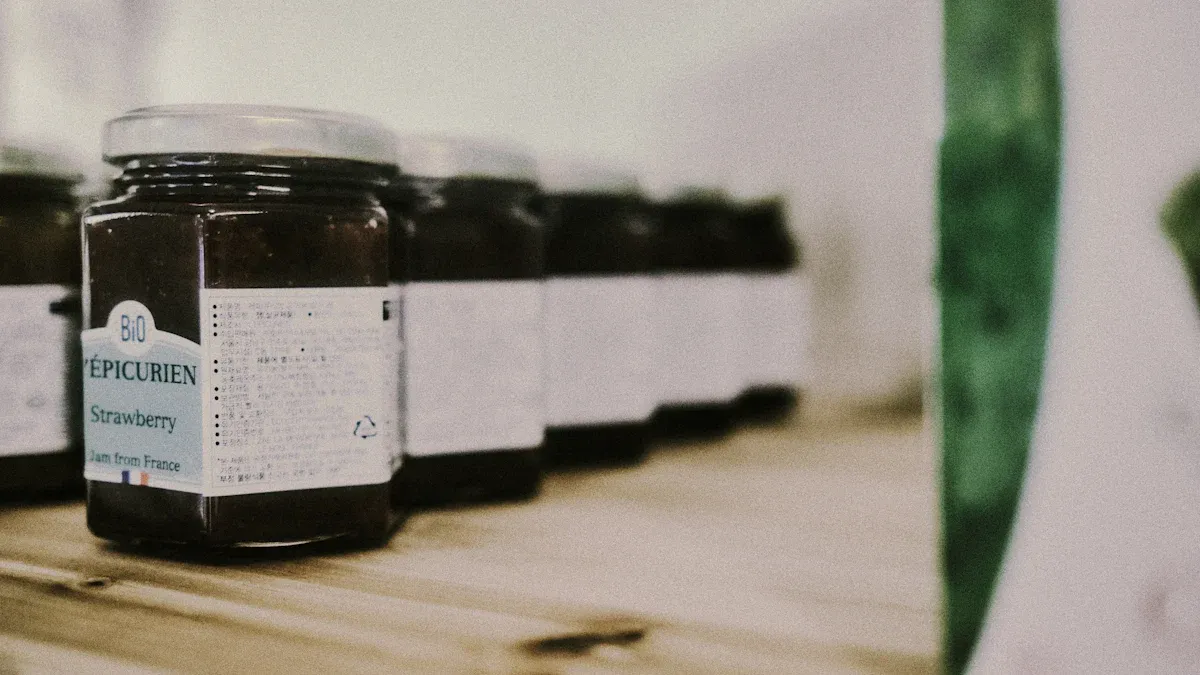
You might wonder if all pectin is the same. Actually, you have two main types: dry and liquid. Each one acts a bit differently in your kitchen and has its own storage needs.
Dry pectin likes a cool, dry spot. You can even keep it in the freezer if you want to stretch its shelf life. Liquid pectin, on the other hand, needs more care. Once you open it, you should store it in the fridge. If you leave it out, it loses its power fast. Always check the label for storage instructions.
Here’s a quick look at how you should manage each type:
Type of Pectin | Shelf Life Management |
|---|---|
Dry Pectin | Can be stored in the freezer to extend shelf life |
Liquid Pectin | Has a specific expiration date and should be refrigerated to maintain functionality |
If you use Pomona’s Universal Pectin, you get a bonus.
Pomona’s lasts forever and has no expiry date as long as it is properly stored.
That means you can keep it on your shelf for years without worry, as long as you keep it dry and sealed.
Dry pectin usually lasts longer than liquid. Liquid pectin comes with a clear expiration date, and you should use it before that date for best results. Dry pectin can sometimes work even after the date, but you might notice it doesn’t gel as well. Pomona’s Universal Pectin stands out because it keeps its quality for a very long time if you store it right.
You don’t always know if your pectin is still good just by looking at the box. Sometimes, expired pectin hides its age until you use it. But you can spot a few warning signs if you pay attention.
Watch for these signs when you check your pectin:
Dark spots or black streaks show up, which means oxidation or bacteria.
Yellow or tan patches can pop up, hinting at early spoilage.
Mold or fuzzy growth inside the package means you should toss it.
If the powder looks wet or clumpy, it might have absorbed moisture and lost its strength.
Expired pectin sometimes smells off. If you notice a sour or strange odor, don’t use it. You might also feel a slimy or sticky texture, which means it has gone bad. If the powder feels hard or lumpy, it probably won’t work well in your recipe.
If you’re not sure, you can test the gelling power before you make a big batch. Take a small amount, mix it with water and sugar, and see if it sets. If it stays runny, you have expired pectin on your hands.
Tip: Always store pectin in a sealed container and label it with the date you opened it. This helps you keep track and avoid using expired pectin by mistake.
Expired pectin can ruin your jam or jelly, so check for these signs before you start. If you spot any of them, it’s time to get a fresh box.
Storing pectin the right way makes a big difference in how well your jams and jellies turn out. If you want to get the most out of every box or bottle, you need to pay attention to temperature, humidity, and packaging. Let’s break down the best ways to keep your pectin fresh and ready for action.
You want to keep pectin in a cool, dry place. Heat and moisture are the biggest enemies here. When pectin gets too warm, its gelling power drops. If it absorbs moisture, it can clump and lose effectiveness. Take a look at how different factors affect pectin quality:
Factor | Effect on Pectin Quality |
|---|---|
Temperature | Increased temperature leads to decreased molecular weight and methoxyl content in pectin. |
Humidity | Higher relative humidity negatively impacts solubility and gelling power of pectin. |
State Transitions | The glass transition temperature decreases with increased water content, affecting stability and quality. |
Molecular Mobility | In the rubbery state, increased molecular mobility accelerates chemical reactions, impacting pectin quality. |
If you live in a humid area, consider using a dehumidifier or storing pectin in a sealed container with a moisture absorber.
Always use airtight packaging for pectin. This keeps out moisture and helps maintain its gelling properties. You can use the original packaging if it seals tightly, or transfer the powder to a glass jar or plastic container with a good seal. For extra protection, especially in humid climates, add a food-safe desiccant packet.
Tip: Label your container with the date you opened it. This helps you track freshness and avoid using pectin past its prime.
Proper sealing is your best friend when it comes to extending shelf life. After every use, close the package tightly. If you buy in bulk, divide the pectin into smaller containers so you only open what you need. Always write the opening date on the label. This simple step helps you remember how long it’s been sitting on your shelf and keeps you from using it long after the expiration.
Liquid pectin needs a little more care. Once you open a bottle, store it in the fridge. Cold temperatures slow down microbial growth and chemical changes, so your liquid pectin lasts longer. If you keep it near freezing, you can stretch its life up to a month. Even a small rise in temperature can cut that time short, so don’t leave it out on the counter.
Dry pectin usually does fine at room temperature, but you can freeze it if you want to keep it for a long time. Just make sure it’s in an airtight container to prevent freezer burn or moisture problems.
Note: Smart packaging with freshness sensors and pH indicators is becoming more common. These features give you visual cues about quality, so you know when it’s time to replace your pectin.
If you follow these storage tips, you’ll get the best results from your pectin and avoid surprises in your next batch of jam.
Fruit ripeness plays a big role in how well your jams and jellies set. As fruit ripens, its natural pectin content changes. Here’s what you need to know:
Less ripe fruit, like green apples, has more natural pectin. These fruits help your recipes gel better.
As fruit ripens, enzymes such as pectinesterase and pectinase break down pectin. Overripe fruit loses much of its gelling power.
If you use only very ripe fruit, your jam may turn out runny or too soft.
You can get the best results by choosing fruit that is just ripe or even a little underripe. This gives your jam a better chance to set up nicely.
Sometimes you have to work with what you have. If your fruit is very ripe, you can still make great jam by making a few changes:
Use about one-fourth underripe fruit and three-fourths ripe fruit for a reliable gel.
Pick fruits that are naturally high in pectin, like crabapples or currants, if you want a firmer set.
Avoid using only strawberries or blueberries, since they do not gel well without added pectin.
Mix slightly underripe and ripe fruit for better results.
Adjust sugar and acid levels based on ripeness. Underripe fruit needs less sugar and more acid. Overripe fruit needs more sugar and less acid.
Tip: If you make jelly without added pectin, always include some underripe fruit to help it set.
Sugar and acid are not just for taste—they help pectin do its job. High-methoxyl pectin needs both sugar and acid to form a stable gel. Sugar binds water, which lets pectin molecules come together and create that perfect jelly texture. The best pH for this process is between 2.8 and 3.6. If you use low-methoxyl pectin, you need calcium instead of sugar and acid. Too much acid can actually weaken your gel, so balance is key.
Water might seem simple, but it can affect your jam. Hard water, which has lots of minerals, can change how pectin works. If your water tastes odd or leaves spots on your dishes, it might be hard. Try using filtered or bottled water for more consistent results.
Note: Small changes in your ingredients can make a big difference in your final product. Always taste and adjust as you go.
When you find a box of pectin that’s past its prime, you might wonder if you should toss it or try to use it. Sometimes, you can still get some use out of it, but you need to know your options. Let’s look at what you can do with expired pectin and when it’s time to buy a new box.
If you don’t want to risk using expired pectin in your next batch of jam, you can still put it to work around the house. Pectin has natural thickening properties, so you can use it for simple science experiments with kids. Try mixing it with water to see how it gels. You can also use it as a natural glue for paper crafts or as a thickener in homemade playdough. Some gardeners even add it to seed-starting mixes to help hold moisture in the soil. These ideas let you avoid waste and get creative.
If you decide not to use expired pectin, composting is a safe and eco-friendly option. Pectin comes from fruit, so it breaks down easily in a compost pile. Just sprinkle it in with your kitchen scraps. If you don’t compost, you can throw it in the trash. Make sure the packaging is empty and clean before recycling or tossing it. Avoid pouring large amounts down the drain, since it can thicken and cause clogs.
You might feel tempted to keep using expired pectin, especially if you hate wasting food. Sometimes, it still works a year or so past the date. But after a few years, you’ll notice it just doesn’t gel like it should.
A year or so past is probably fine, but once you hit 3 and 4 years you may find that the pectin loses its ability to do its job properly.
If you’re making jam for a special occasion or want perfect results, it’s best to use fresh pectin. You’ll save yourself frustration and avoid runny batches.
When you shop for new pectin, check the expiration date on the box. Choose a brand that fits your needs and storage habits. Dry pectin lasts longer than liquid, so it’s a good choice if you don’t make jam often. Liquid pectin works well if you plan to use it up quickly. Always store your new pectin in a cool, dry place to keep it fresh.
Picking the right pectin can make a big difference in your recipes. Here are a few things to think about:
The type of fruit being used can influence the choice of pectin.
Desired firmness of the set is a crucial factor; some prefer a softer set while others may want a firmer jam.
Sugar content in the recipe affects how pectin interacts with the mixture.
If you want a low-sugar jam, look for low-methoxyl pectin. For classic, firm jams, high-methoxyl pectin is a solid pick. Always match the pectin to your recipe and your taste.
If you’re unsure about using expired pectin, test a small batch first. You’ll know right away if it still works. When in doubt, fresh pectin gives you the best shot at success.
You now know that pectin can go bad, but it usually means your jam won’t set right. It rarely becomes unsafe. Always check the expiration date and store pectin in a cool, dry spot. Test a small batch if you’re unsure about its gelling power. Want more tips? Check out these common questions:
How long does jam made with Pomona’s Universal Pectin last? Cooked jam keeps for one year; opened jars last three weeks in the fridge.
You can mix 1 teaspoon of pectin with 1 tablespoon of sugar and 3 tablespoons of water. Let it sit for a few minutes. If it thickens or gels, your pectin still works.
Yes, you can freeze dry pectin. Put it in an airtight container first. Freezing helps keep moisture out and extends shelf life.
Expired pectin is rarely unsafe. It usually just loses its gelling power. If you see mold, smell something odd, or notice clumps, throw it out.
Sometimes fruit is too ripe or low in acid. You might need to add more sugar or lemon juice. Check your recipe and ingredients for best results.
You can swap them, but you need to adjust your recipe. Liquid and dry pectin work differently. Always follow the instructions on the package.
Fruits like apples, quinces, and citrus have lots of natural pectin. You can make jam with these without adding extra pectin.
Keep opened dry pectin in a sealed container in a cool, dry place. Store opened liquid pectin in the fridge. Label with the date you opened it.