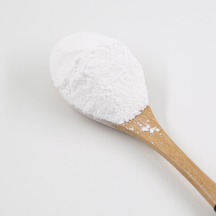
Hydrocolloids dictate the success of commercial food production, nutraceutical manufacturing, and artisanal formulation. Achieving precise texture and long-term stability remains a primary formulation challenge across these sectors. Selecting the wrong stabilizing or gelling agent routinely leads to catastrophic product failure. Formulators frequently encounter syneresis, weeping, inconsistent batch textures, pre-gelling in the vat, and severely compromised shelf life when hydrocolloid parameters misalign with the product matrix.
Enter pectin. Far beyond its traditional reputation as a simple ingredient for household fruit preserves, it operates as a highly variable, application-specific polymer. Successful implementation requires matching the exact structural type to the product’s pH, soluble solids (Brix), and processing environment. Understanding these variables transforms a volatile formulation process into a predictable, scalable operation.
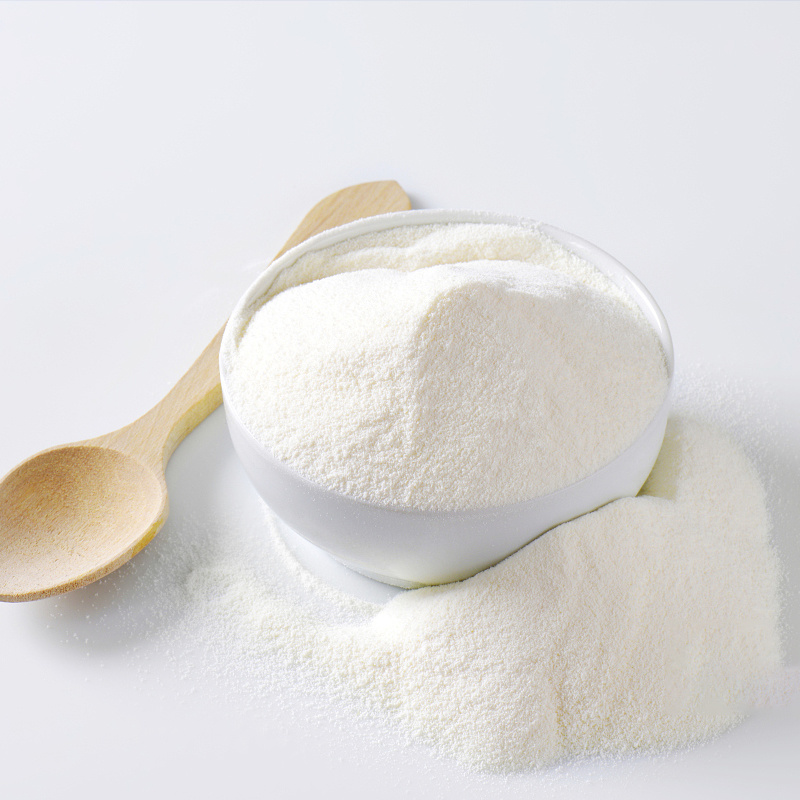
Pectin is a naturally occurring soluble fiber primarily used as a gelling agent, thickener, and stabilizer in high-sugar preserves, low-calorie foods, dairy products, and pharmaceuticals.
Formulation success depends entirely on selecting the correct category: High Methoxyl (HM) for high-sugar/high-acid environments, and Low Methoxyl (LM) for low-sugar/calcium-dependent applications.
Pectin is available in both liquid and powder forms, which require different hydration protocols and cannot be substituted 1:1 in formulations.
Evaluating pectin for a product line requires analyzing the specific success criteria of the end product, including desired set time, mouthfeel, and clean-label compliance.
Table of Contents
At its core, this hydrocolloid is a structural heteropolysaccharide. Specifically, it consists largely of rhamnogalacturonan and galacturonic acid units found densely packed within the primary cell walls of terrestrial plants. In human nutrition, it functions as a highly effective soluble dietary fiber. In manufacturing, its molecular structure provides the foundation for building stable, three-dimensional gel networks. The molecular weight and the degree of esterification (DE) determine how the polymer behaves in solution, dictating everything from hydration speed to final gel strength.
Commercial extraction relies heavily on agricultural byproducts. The primary sources remain citrus peels—specifically lemons, limes, and oranges—alongside apple pomace. These materials offer the highest concentration and most consistent gelling properties. The extraction process typically involves hot dilute acid hydrolysis, followed by precipitation with alcohol. Supply chain demands have also driven the development of emerging alternative sources, including sugar beet pulp and sunflower heads, which offer unique functional properties for specialized applications, though they often yield softer gels compared to citrus extracts.
Physical format dictates processing requirements. The industry relies on two primary forms:
Powdered Form: The undisputed industry standard for shelf-life stability and precise batch scaling. Powder requires high-shear blending or careful pre-mixing with other dry ingredients to prevent clumping upon contact with water. It offers a longer shelf life and lower transport costs.
Liquid Form: Typically formulated as pre-hydrated HM variants. Culinary applications sometimes prefer this format for rapid dispersion. It requires different processing temperatures, is added later in the cooking process, and holds a significantly shorter shelf life. It is prone to degradation if stored improperly.
Substitution realities present a common hurdle. Liquid and powder forms are not interchangeable on a 1:1 basis. They feature vastly different concentration levels, activation temperatures, and hydration requirements. Attempting a direct swap routinely results in complete structural failure, requiring formulators to completely recalculate the water phase and solids content of their recipes.

Texture creation relies on a specific molecular network. Under the right conditions, the polymer chains interact by binding with water, repelling each other, or cross-linking to form a three-dimensional junction zone. This microscopic lattice physically traps liquid, transforming a fluid solution into a cohesive, stable gel. The strength of this network is often measured in USA SAG grades, which quantify the amount of sugar one part of the polymer can set under standardized conditions.
Activation depends entirely on critical environmental variables. The physical transition from a liquid sol to a gel requires precise control over temperature, pH levels, and co-solutes. Heat provides the energy necessary to dissolve the polymer. Acid lowers the pH, neutralizing the negative electrical charges on the molecules so they stop repelling each other and can approach closely. Co-solutes, such as high concentrations of sugar or specific mineral ions like calcium, act as the structural bridges that lock the network into place through hydrogen bonding and hydrophobic interactions.
Formulators often use buffer salts, such as sodium citrate or citric acid, to precisely control the pH and, consequently, the setting time and temperature. This buffering capacity is essential in commercial operations where large batches must be pumped and deposited before the gel begins to form in the piping.

The traditional application centers on creating the structural gel of fruit preserves. The polymer locks in water, preventing syneresis and maintaining a spreadable consistency over months of storage. Formulators evaluate options based on set time. Rapid-set variants suspend large fruit chunks uniformly before they have a chance to float to the surface. Conversely, slow-set variants are necessary for clear jellies, allowing trapped air bubbles to escape during a prolonged cooling process.
Scaling from home preservation to commercial manufacturing requires a shift in methodology. While home cooks often rely on naturally occurring fruit polymers, commercial operations utilize standardized, highly refined commercial extracts. This guarantees batch-to-batch consistency, entirely bypassing the unpredictable variations in seasonal fruit harvests. Commercial recipes also strictly monitor the final Brix (usually 60-65%) and pH (2.9-3.2) to ensure a perfect set.
Industrial baking and confectionery rely heavily on targeted hydrocolloids for bake-stable fruit fillings, pastry glazes, and plant-based gummies. Specific thermoreversible types prevent fruit fillings from boiling over, boiling out, or bleeding into surrounding dough during high-heat baking cycles. The gel melts under extreme heat but perfectly resets upon cooling, maintaining the visual appeal and structural integrity of the pastry.
In the confectionery market, value is driven by plant-based alternatives. It serves as a premium replacement for gelatin in vegan and kosher products. The trade-off lies in the texture: it delivers a short, clean bite with rapid flavor release, contrasting sharply with the chewy, elastic texture characteristic of animal-derived gelatin. Managing water activity (Aw) is also a primary concern here to prevent microbial growth and extend shelf life.
Beverage formulation presents unique challenges, particularly in acidified dairy drinks, drinking yogurts, and protein-fortified plant milks. Utilizing pectin provides critical stabilization. At low pH levels, the polymer interacts directly with casein proteins. It coats the protein particles, utilizing steric hindrance to prevent protein agglomeration, sedimentation, and unsightly whey separation during heat treatments like pasteurization or UHT processing.
Beyond technical performance, it offers a significant compliance and clean-label advantage. Consumers recognize and trust the ingredient, making it far more appealing on an ingredient declaration than synthetic stabilizers or complex chemical emulsifiers. Proper homogenization is required to ensure the polymer is evenly distributed around the protein particles.
Clinical applications leverage its function as a bulk-forming soluble fiber. Historically, it served as a primary antidiarrheal agent, improving gut transit times and stabilizing gastrointestinal health. Modern metabolic health research highlights its ability to lower LDL cholesterol by binding bile acids in the digestive tract and blunting post-consumption blood glucose spikes by slowing gastric emptying.
Drug delivery systems utilize these gelling properties for controlled-release capsule coatings, throat lozenges, and targeted mucosal delivery. While generally recognized as safe, excessive consumption can lead to gas, bloating, or mild gastrointestinal distress. Commercial formulators must adhere to acceptable daily intake (ADI) limits to ensure consumer comfort and regulatory compliance.

HM variants feature a Degree of Esterification (DE) greater than 50%. This chemical profile demands a strict formulation environment to activate. The solution must contain a minimum of 55-60% soluble solids (Brix) and maintain a narrow pH range, typically between 2.8 and 3.6. These strict requirements make HM ideal for traditional jams, high-sugar candies, and acid-stabilized fruit juices. Within the HM category, formulators must further choose between rapid-set (higher DE, gels at higher temperatures) and slow-set (lower DE, gels at lower temperatures) depending on their depositing equipment.
LM variants feature a DE below 50%. LMA undergoes chemical modification, introducing amide groups to significantly enhance calcium sensitivity. Unlike HM, LM and LMA do not require high sugar or high acid to gel. Instead, they rely on the presence of calcium ions to form cross-linked "egg-box" structures, where calcium sits between the polymer chains, locking them together.
Best use cases include diabetic or low-sugar jams, dairy-based desserts, organic fruit preparations, and savory glazes. However, this flexibility introduces trade-offs. Precise calcium dosing is mandatory. Insufficient calcium results in a weak, runny set. Excessive calcium causes brittle gels, severe syneresis, or premature gelling during the mixing phase. Formulators often use calcium citrate or calcium lactate to control the release of calcium ions during processing.
Type | Degree of Esterification | Gelling Mechanism | Primary Applications | Typical pH Range |
|---|---|---|---|---|
High Methoxyl (HM) Rapid Set | > 70% | High Sugar (>55 Brix) + Low pH | Jams with suspended fruit | 2.8 - 3.4 |
High Methoxyl (HM) Slow Set | 50% - 70% | High Sugar (>55 Brix) + Low pH | Clear jellies, gummies | 2.8 - 3.2 |
Low Methoxyl (LM) | < 50% | Calcium Ions | Low-sugar jams, dairy desserts | 2.5 - 5.5 |
Amidated (LMA) | < 50% (Amidated) | Calcium Ions (Highly Sensitive) | Bake-stable fillings, savory glazes | 2.5 - 5.5 |
The most common failure in application occurs during the initial hydration phase. Improper mixing leads to "fish-eyes"—stubborn clumps of unhydrated polymer encasing a dry, useless core. Once formed, these clumps are nearly impossible to break down, ruining the texture and wasting material. The exterior of the clump hydrates instantly, forming a waterproof barrier that prevents the interior powder from dissolving.
Mitigation requires strict standard operating procedures. Dry powder must be pre-blended with other dry ingredients, typically sugar, at a minimum ratio of 1:5. Alternatively, it must be dispersed into a high-shear liquid environment before any heat or acid is introduced to the system.
Follow this standard operating procedure for optimal hydration:
Weigh all dry ingredients precisely.
Pre-blend the hydrocolloid powder with a portion of the recipe's sugar (1 part powder to 5 parts sugar).
Heat the water or fruit juice to 140°F - 160°F (60°C - 70°C).
Create a vortex in the liquid using a high-shear mixer or triblender.
Slowly sift the dry blend into the vortex, ensuring continuous agitation.
Bring the solution to a full boil to ensure complete dissolution before adding remaining sugars or acids.
Processing realities dictate that the solution must reach a full boil. Depending on the Brix level, temperatures must hit 212°F (100°C) or higher to ensure complete dissolution and activation of the polymer chains. Moving from benchtop formulation to full-scale production amplifies these requirements. Commercial scaling demands high-shear mixers and precise, temperature-controlled kettles to maintain uniform heat distribution and prevent localized scorching. Pumping systems must also be heated to prevent the gel from setting inside the pipes before reaching the depositor.

Liquid pooling on the surface of a set gel, known as syneresis, destroys product appeal and indicates a breakdown in the gel network. Pre-gelling occurs when the solution sets inside the mixing vat before it can be deposited into packaging. Root cause analysis typically connects these failures to incorrect pH levels, pouring temperatures that fall too low before depositing, or excessive calcium dosing in LM formulations. If the pH drops too early in the cooking process, the gel will form and then be sheared apart by the mixers, resulting in a broken, weeping final product.
When a product fails to set or yields a runny, unacceptable texture, formulators must audit the environment. Culprits routinely include insufficient Brix levels, degraded polymer chains caused by prolonged exposure to high heat during processing, or the fundamental error of selecting an HM variant for a low-sugar application. Additionally, check the water source; hard water contains natural calcium that can prematurely trigger LM variants, leading to weak, grainy textures.
Achieving precise texture and stability requires treating hydrocolloids as highly specific formulation tools rather than generic thickeners. By selecting the right type of pectin based on sugar content, pH, calcium availability, and processing conditions, manufacturers can improve product consistency, optimize production efficiency, and ensure reliable performance across a wide range of food, beverage, and nutraceutical applications.
Working with an experienced food ingredient supplier is equally important for ensuring ingredient quality and formulation success. MEGAFOOD specializes in high-quality pectin, hydrocolloid ingredients, customized formulation solutions, and professional technical support, helping food manufacturers, distributors, and global food processing companies develop stable, innovative, and high-performance products.
Match the pectin type to your target Brix, pH, calcium requirements, and processing conditions before formulation.
Verify the degree of esterification, raw material source, and product specifications with qualified suppliers.
Conduct pilot-scale testing to validate gel strength, texture, hydration performance, and long-term stability before commercial production.
Establish standardized quality control procedures to ensure consistent product performance across every manufacturing batch.
A: Rapid-set variants gel quickly at higher temperatures, making them ideal for suspending large fruit chunks in jams before they float. Slow-set variants gel at lower temperatures, allowing air bubbles to escape during cooling, which is essential for producing perfectly clear jellies.
A: Yes, but you must use Low Methoxyl (LM) or Amidated (LMA) types. Unlike traditional High Methoxyl types, LM variants do not require high sugar to activate. Instead, they rely on calcium ions to form a stable gel structure.
A: Yes. It is derived entirely from plant cell walls, primarily citrus peels and apple pomace. It provides a clean, short bite for gummies and confectionery, making it a standard replacement for animal-derived gelatin in vegan and kosher products.
A: Clumping, or "fish-eyes," occurs when the exterior hydrates too quickly, sealing off a dry core. To prevent this, thoroughly pre-mix the dry powder with sugar at a 1:5 ratio before whisking it rapidly into the liquid.
A: Calcium acts as a structural bridge for Low Methoxyl (LM) formulations. Because LM variants lack the chemical structure to gel with sugar and acid alone, calcium ions cross-link the polymer chains together to create the three-dimensional gel network.
A: In acidified environments like drinking yogurt, the polymer coats casein proteins. This creates steric hindrance, preventing the proteins from clumping together, which stops sedimentation and eliminates whey separation during the product's shelf life.