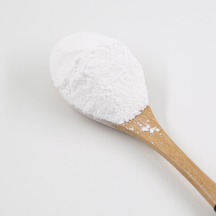
Discovering a dusty box or half-used jar of pectin in the pantry right as the seasonal fruit harvest is ready for processing presents a serious dilemma for any home canner. The high stakes of canning mean you are investing hours of labor, expensive seasonal fruit, and large quantities of sugar into a batch of jam or jelly. Having that batch fail to set because the gelling agent was compromised is a frustrating waste of resources. Moving beyond simple expiration dates requires understanding the chemical viability of the gelling agent, knowing how to test its setting power, and establishing a strict framework for deciding whether to risk using an older batch or invest in fresh supplies. This guide breaks down the science of degradation, practical testing methods, and storage protocols to ensure your preserves achieve the perfect set every single time.
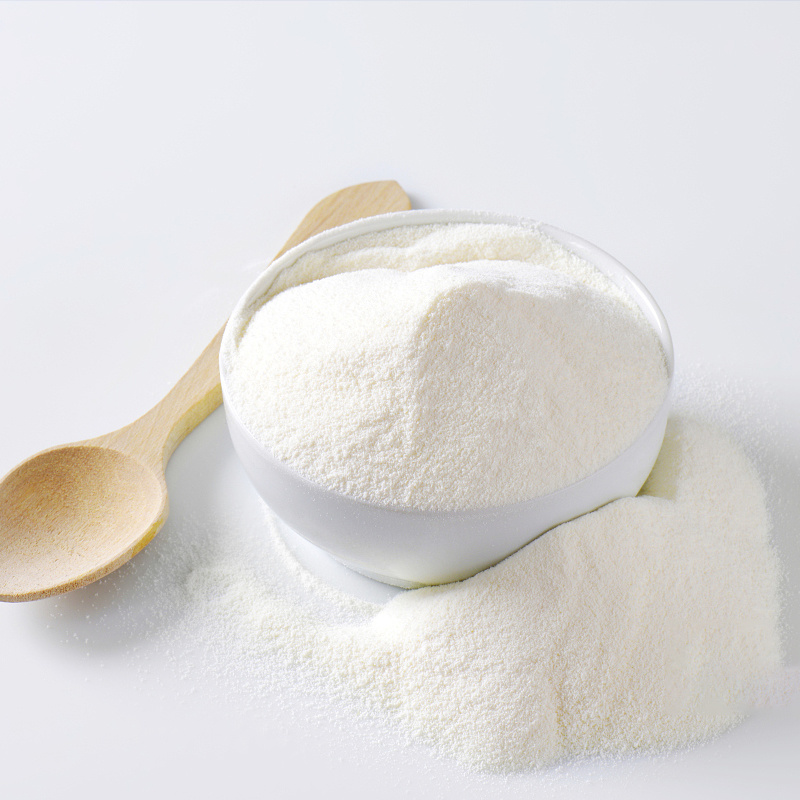
Safety vs. Quality: Expired pectin poses no food safety risk; the primary failure is a loss of gelling capability, resulting in syrups instead of jams.
Format Dictates Longevity: Dry, unopened powdered pectin typically lasts 1–2 years, while liquid pectin degrades much faster. Specialized universal low-methoxyl pectins (e.g., Pomona's) can remain shelf-stable indefinitely under strict storage conditions due to the absence of additives.
Viability Testing is Mandatory: Never commit high-value ingredients to expired pectin without first performing a chemical viability test (e.g., the rubbing alcohol test) or a small-batch test.
Risk Mitigation: The financial and temporal cost of a failed canning batch almost always outweighs the cost of purchasing fresh pectin.
Table of Contents
A successful preserve relies on a proper gel structure, correct water activity, and long-term shelf stability. The gelling agent serves as the foundational building block for this entire structure. When combined with the right amounts of sugar and acid, it forms a three-dimensional network that traps liquid, creating the characteristic firm texture of jams and jellies. Understanding how this network forms and degrades is necessary for evaluating older pantry ingredients.
Over time, the molecular structure of the gelling agent degrades. The methoxyl groups within the molecular chain break down when exposed to ambient moisture and temperature fluctuations. This chemical breakdown reduces the ability to form that essential network with sugar and acid. As the degradation progresses, the gelling power weakens, leading to runny preserves that resemble syrup rather than a spreadable jam. The rate of this degradation depends heavily on the environment and the specific formulation of the product.
Standard commercial brands often degrade faster than pure bulk alternatives due to the presence of additives. Ingredients like dextrose and citric acid are commonly mixed into retail boxes. Dextrose acts as a hygroscopic agent, meaning it actively attracts ambient moisture from the air. This added moisture speeds up the chemical breakdown of the molecules, significantly shortening the functional shelf life of these commercial blends compared to pure alternatives.
It is important to clarify that the powder itself does not harbor pathogens when expired. Academic extension offices confirm that expiration dates on these products are strictly functional metrics rather than indicators of microbial safety. Using an expired box will not make you sick, but it will likely result in a failed, syrupy batch rather than a firm gel. The primary concern is always quality and texture, not foodborne illness.
Chemical Breakdown Factors in Gelling Agents | ||
Degradation Factor | Mechanism of Action | Impact on Final Product |
|---|---|---|
Moisture Ingress | Hygroscopic additives pull water into the powder, causing premature activation and clumping. | Weakened gel structure, resulting in runny syrup. |
Temperature Fluctuations | Heat accelerates the breakdown of methoxyl groups within the molecular chain. | Inability to bond with sugar and acid during the boiling phase. |
Oxygen Exposure | Oxidation degrades the structural integrity of liquid formulations. | Separation, cloudiness, and complete loss of setting power. |
Understanding these degradation factors allows canners to make informed decisions about their pantry stock. When you know that moisture and heat are the primary enemies of a good set, you can adjust your storage habits and testing protocols accordingly. The goal is to preserve the methoxyl groups so they are ready to bond when introduced to boiling fruit and sugar.
Furthermore, the acidity of the fruit you are working with interacts directly with the viability of the gelling agent. Highly acidic fruits like tart apples or cranberries might still manage a soft set with slightly degraded powder, while low-acid fruits like peaches or strawberries will expose weakened powder immediately, resulting in a complete failure to set.
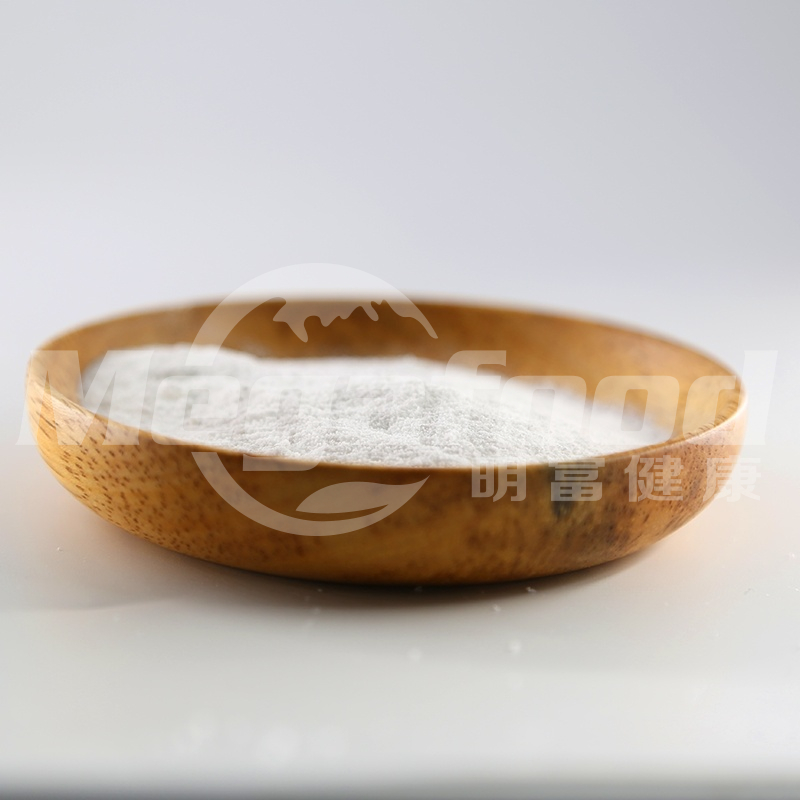
Different commercial gelling agents have varying expected lifespans based on their formulation and packaging. Dry powdered varieties, such as standard commercial brands found in most grocery stores, typically last one to two years from the manufacturing date if left unopened. Once opened, the powder can remain viable for up to six months provided it is stored in an airtight environment protected from humidity.
Liquid formulations are highly susceptible to structural degradation and separation. The unopened shelf life is strictly bound to the printed date on the package. Once opened, the liquid must be refrigerated immediately and used within one to two weeks. Its liquid state makes it far more vulnerable to breaking down compared to dry powders, and it should never be trusted past its expiration date.
Universal and low-methoxyl varieties represent a completely different category. Because they are pure and preservative-free, they are genuinely shelf-stable indefinitely. However, this indefinite stability is contingent on zero moisture ingress, zero contamination, and consistent cool, dry temperature control. Any exposure to moisture will compromise even the purest pectin.
Expected Shelf Life by Product Category | |||
Product Type | Unopened Shelf Life | Opened Shelf Life | Storage Requirement |
|---|---|---|---|
Standard Dry Powder | 1 - 2 Years | 6 Months | Cool, dry pantry; airtight container once opened. |
Liquid Pouches | Until Printed Date | 1 - 2 Weeks | Refrigerate immediately after opening. |
Pure Low-Methoxyl | Indefinite | Indefinite | Strictly airtight, zero moisture environment. |
When evaluating your pantry stock, always check the physical condition of the packaging. A cardboard box that feels soft or shows water stains indicates that the inner pouch may have been compromised by humidity. Even if the date on the box suggests the product is still viable, environmental factors can override the printed expiration date.
For canners who buy in bulk, transferring the powder from its original commercial packaging into heavy-duty, airtight storage immediately upon purchase is the best way to guarantee the product reaches its maximum potential shelf life. Relying on thin paper packets or folded cardboard boxes is a recipe for premature degradation.

Before using questionable powder, you need objective methods to verify if the active ingredient will still yield the desired outcome. The rubbing alcohol test is a reliable, scientific method to check viability without wasting fruit. This test forces a chemical reaction that mimics the gelling process, giving you a clear visual indicator of the powder's strength.
Follow these steps to perform the rubbing alcohol test:
Measure exactly one teaspoon of the questionable dry powder.
Dissolve the powder in three tablespoons of boiling water, stirring vigorously until completely smooth.
Allow the mixture to cool to room temperature.
Pour one tablespoon of rubbing alcohol into a small glass or bowl.
Drop one tablespoon of the cooled mixture into the rubbing alcohol.
Wait one minute, then attempt to lift the resulting mass with a fork.
Interpreting the results is straightforward. A solid, fork-liftable mass indicates high viability, meaning the powder is safe to use for canning. If the mixture results in fragmented, cloudy, or non-existent clotting, the powder has completely degraded and must be thrown away.
Another approach is the small micro-batch test. You can run a quick test using a single cup of fruit or juice to verify the set strength. Process this small amount as you normally would, boiling it with the proportionate amount of sugar and powder, and check the consistency after it cools in the refrigerator. This allows you to confirm the gelling power before scaling up to a full batch and risking large quantities of expensive fruit.
Visual and textural audits are also essential before even attempting a chemical test. For dry powder, look for signs of moisture contamination such as clumping, hard blocks, or discoloration. If the powder is not free-flowing, it has likely absorbed moisture and degraded. For liquid pouches, identify any separation, cloudiness, or mold. Any of these signs in a liquid product are immediate grounds for disposal.
Weighing the economic realities of the canning process is vital for any homesteader or casual canner. Consider the sunk cost of premium, fresh, or hand-picked fruit and sugar against the replacement cost of a fresh box of gelling powder. Risking thirty to fifty dollars worth of fresh berries to save a few dollars on a box of powder is a poor economic decision. The financial and temporal cost of a failed batch almost always outweighs the cost of purchasing fresh supplies.
Home-canning forums often feature debates where some claim success with five-year-old expired boxes. However, university food scientists warn about the high rate of unpredictable syrup batches when using old powder. Relying on community anecdotes over established extension standards introduces unnecessary risk into your canning process. Science dictates that the chemical bonds weaken over time, regardless of anecdotal success stories.
There are times for strategic downgrading. You can intentionally use weakened, expired powder by repurposing it as a thickener for fruit syrups, glazes, or ice cream toppings. In these applications, a firm gel is not required, allowing you to utilize the product without risking a full batch of traditional jam or jelly. This prevents waste while acknowledging the chemical limitations of the degraded product.
When calculating the true cost of a failed batch, you must factor in your labor. Spending an entire afternoon washing, hulling, mashing, and boiling fruit, only to spend another afternoon reprocessing a runny batch, effectively doubles your labor cost. Buying fresh ingredients at the start of the season is an insurance policy against wasted time.

If you gamble on old powder and lose, you need a strict plan for recovery. The "add more" fallacy is a common mistake among novice canners. Simply doubling the amount of expired powder in a new batch is a flawed strategy. It alters the flavor profile, introduces a chalky texture, and rarely fixes the chemical deficit caused by degraded methoxyl groups.
Rescuing a failed batch requires a specific, measured protocol. You must reprocess the runny jam using fresh, in-date powder. This process involves measuring the failed batch, bringing it back to a rolling boil, and incorporating the new gelling agent along with additional acid and sugar to force a delayed set. Following a tested reprocessing recipe from a trusted extension office is crucial for success.
Steps to reprocess a runny batch with powdered gelling agents:
Measure the exact volume of the runny jam you need to fix.
For each quart of runny jam, measure out 1/4 cup of sugar, 1/4 cup of water, 2 tablespoons of bottled lemon juice, and 4 teaspoons of fresh powdered gelling agent.
Mix the fresh powder and water in a large pot and bring to a boil while stirring constantly.
Add the runny jam and lemon juice to the boiling mixture.
Bring the entire pot to a hard rolling boil that cannot be stirred down.
Add the sugar, return to a hard boil, and boil for exactly one minute.
Remove from heat, skim foam, and jar immediately.
Attempting to reprocess a batch more than once will severely degrade the flavor of the fruit, resulting in a cooked-down, caramelized taste rather than a fresh fruit flavor. Therefore, it is critical to execute the reprocessing steps perfectly the first time using guaranteed fresh ingredients.
Standardizing pantry storage prevents premature degradation of future purchases. Temperature stability is critical. Store your supplies in a cool, dark pantry maintained between 50 and 70 degrees Fahrenheit. Humidity control is equally important; the storage area must remain completely dry to prevent moisture absorption, which is the primary killer of dry powders.
Upgrading your container solutions can significantly extend shelf life. Move away from keeping opened packets in folded cardboard boxes. Instead, use airtight, vacuum-sealed jars or glass containers with rubber gaskets. Adding food-grade silica desiccant packets to the container will help absorb any residual moisture, protecting opened powder from degrading over the winter months.
For bulk buyers, consider dividing large purchases into smaller, individual vacuum-sealed bags. This prevents the entire supply from being exposed to ambient air and humidity every time you open the container to measure out a few tablespoons. Proper division and sealing ensure that the powder at the bottom of the bulk bag remains just as fresh as the powder at the top.
Never store dry canning powders in the refrigerator or freezer unless they are vacuum-sealed. The constant temperature fluctuations when opening the freezer door can cause condensation to form inside the container. This condensation introduces moisture directly into the powder, causing it to clump and degrade rapidly, entirely defeating the purpose of cold storage.
Using expired pectin is generally a matter of quality rather than food safety. While older pectin may still work after proper testing, the cost of a failed batch often exceeds the price of buying fresh pectin. By following proper storage practices, performing a quick viability test, and replacing degraded products when necessary, you can consistently achieve reliable jam and jelly results while avoiding wasted ingredients and effort.
Working with a trusted food ingredient supplier is equally important for ensuring consistent product quality and dependable performance. <a href="https://www.cnglng.com/aboutus.html">MEGAFOOD</a> specializes in high-quality food ingredients and customized ingredient solutions, providing professional technical support and reliable supply services to food manufacturers, distributors, and global food processing businesses.
Check all stored pectin before each canning season and discard expired liquid pectin.
Test powdered pectin that has been stored for over one year before using it in full batches.
Store opened pectin in airtight containers with moisture protection to maximize shelf life.
Purchase fresh pectin before major canning projects to ensure consistent gelling performance and reduce the risk of failed preserves.
A: No, expired gelling powder will not make you sick. The expiration date indicates a loss of setting power, not a food safety issue. It is safe to consume, but it will likely fail to set your jams properly, resulting in a runny syrup.
A: Once opened, liquid pouches must be refrigerated immediately and used within one to two weeks. The liquid formulation degrades rapidly after opening and exposure to oxygen.
A: Yes, pure low-methoxyl varieties can last indefinitely if stored in a cool, dry, and completely airtight environment. They contain no hygroscopic additives like dextrose that accelerate chemical degradation.
A: Jam can fail to set due to incorrect ratios of fruit, sugar, and acid, or from failing to achieve a hard rolling boil. The chemical network requires precise conditions and temperatures to form successfully.
A: It is highly discouraged. Freezer jam relies entirely on the chemical setting power of the powder since it is not cooked to a high temperature to evaporate water. Expired powder will result in runny freezer jam.
A: Yes, you can reprocess runny jelly by boiling it again with fresh, in-date powder, additional sugar, and bottled lemon juice following a specific, measured remaking recipe from an extension office.
A: Storing dry powder in the freezer is risky. While cold temperatures are fine, freezers introduce condensation. Unless the powder is vacuum-sealed, moisture will ruin the product faster than room temperature storage.