Views: 0 Author: Site Editor Publish Time: 2026-02-13 Origin: Site


You find pectin as a water-soluble carbohydrate in plant cell walls. This complex heteropolysaccharide gives plants structure and strength. Pectin helps cells stick together. This lets plants keep their shape and resist stress from outside. Pectin supports growth and acts as a barrier against threats. Pectin is important for the survival and health of plants.
Pectin is an important carbohydrate found in plant cell walls. It gives plants structure and makes them strong. Pectin helps plant cells stick together. This lets plants keep their shape and handle stress from outside. Pectin has a complex structure with different sugars. This makes it unique from other parts of the cell wall. Pectin helps plants hold water. This keeps plants hydrated and helps them live in dry places. Pectin also protects plants. It tells plants to start their immune response when pathogens attack. Pectin affects how fruit ripens. When pectin breaks down, fruit gets softer and tastes better. Farmers can use pectin from plant waste. This helps cut down on food waste and makes healthier foods. Learning about pectin can help crops grow better. It can also help plants fight diseases and stay healthy.
Pectin is a special kind of polysaccharide in plant cell walls. Cellulose has a simple pattern, but pectin has many different sugars. This makes pectin a heteropolysaccharide. This is how pectin is different from other parts of the cell wall:
Pectin has homogalacturonans and ramnogalacturonans. Homogalacturonans are straight and can make gels with calcium ions. These gels make the cell wall stronger.
Ramnogalacturonans have branches. These branches make fruit cell walls more open. This helps water move and makes fruit softer as it ripens.
Cellulose is a homopolysaccharide. It has only one sugar and makes strong fibers that do not dissolve in water.
Hemicellulose is also a heteropolysaccharide like pectin. But hemicellulose wraps around cellulose and does not make gels.
Pectin’s complex shape gives the cell wall both strength and flexibility. This helps plants grow and react to changes around them.
Pectin has many types of sugar molecules. These sugars join to make the main chain and side chains. The main parts are:
Galacturonic acid (main chain monomer)
Rhamnose (main chain monomer)
Galactose (side chain monomer)
Arabinose (side chain monomer)
Xylose (side chain monomer)
Monosaccharide Component | Type | Role in Structure |
|---|---|---|
Galacturonic acid | Sugar acid | Main chain monomer |
Rhamnose | Sugar | Main chain monomer |
Galactose | Sugar | Side chain monomer |
Arabinose | Sugar | Side chain monomer |
Xylose | Sugar | Side chain monomer |
Galacturonic acid makes up most of the backbone of pectin. The other sugars stick out from the main chain. This creates a network that helps the cell wall hold water and stay strong.
Pectin is found in certain parts of the plant cell wall. Where it is found affects how the plant grows and reacts.
Most pectin is in the primary cell wall. This layer covers young cells that are still growing. Here, pectin helps cells stick together and keeps the wall soft. This lets the plant change shape and grow.
Pectin is also in the middle lamella. This is a thin layer between two plant cells. In this spot, pectin acts like glue. It holds the cells together and stops them from pulling apart. This is very important for plant health and structure.
Note: Some plants have more pectin in root border cells. This helps the plant handle stress, like when there is aluminum in the soil.
Pectin’s structure and where it is found make it very important for plants.
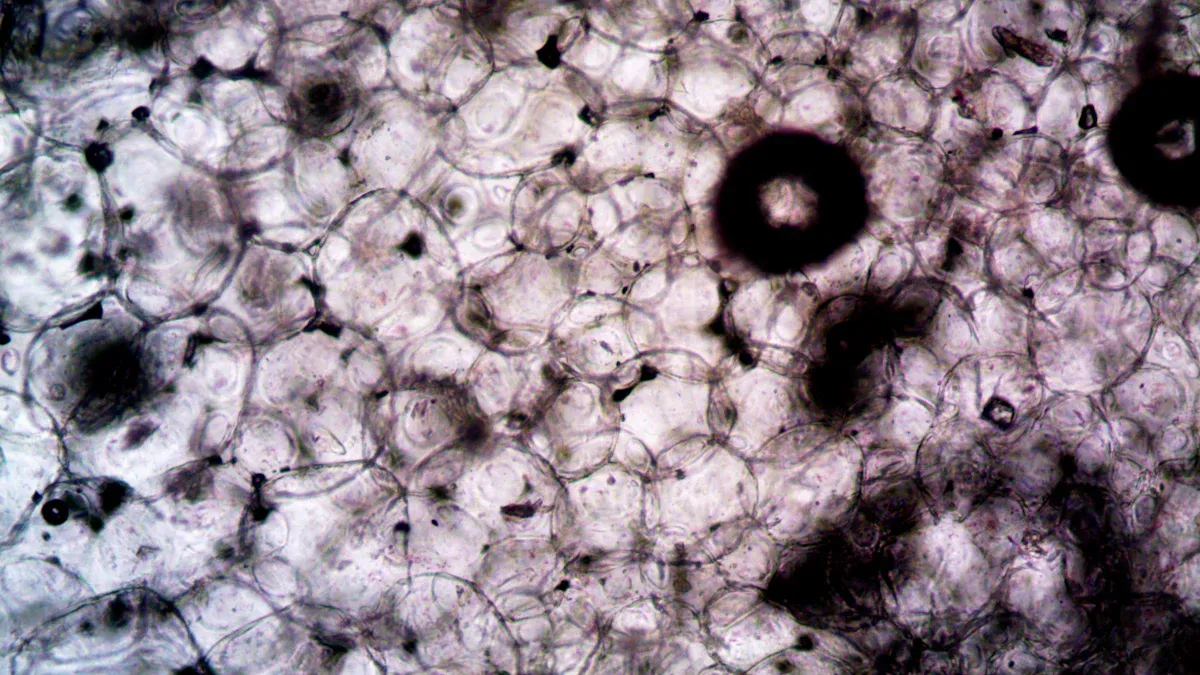
Pectin acts like glue for plant cells. It fills spaces between cells in the middle lamella. This sticky layer helps cells stay together. It keeps plant tissues strong and firm. Pectin controls how parts of the cell wall separate. This lets cells grow and expand but stay attached. Strong cell adhesion helps plants resist damage. It also helps plants keep their shape as they grow.
Pectin gives plants both strength and flexibility. It forms a gel-like network in the cell wall. This network supports the wall and helps it handle pressure. Demethylesterification changes pectin’s structure. This lets pectin make strong bonds with calcium ions. These bonds make the cell wall stiffer and stronger. Enzymes called pectin methylesterases control this change. They help plants adjust cell wall strength during growth or stress.
Here is a table that shows how pectin supports the cell wall:
Evidence Description | Explanation |
|---|---|
Demethylesterification of homogalacturonan | This process creates a rigid gel structure for mechanical support. |
Role of pectin methylesterases (PME35) | PME35 helps control cell wall properties and cell adhesion. |
Interaction with calcium ions | Calcium bonds with pectin to stiffen the cell wall and increase strength. |
Pectin does more than fill space in plants. It works with other cell wall parts. This gives plants the right mix of strength and flexibility. This balance is important for cell wall health. It helps plants survive in different places.
The cell wall’s quality depends on how much pectin is there. It also depends on how pectin works with other molecules. More pectin makes the wall more porous. This lets water, nutrients, and enzymes move through the wall. It also helps plants grow and take in nutrients. Pectin and cellulose work together to shape the cell wall. Sometimes pectin forms strong bonds with cellulose. Sometimes these bonds are weaker. This changes how tough or soft the wall feels.
How much pectin is esterified also matters. If pectin is highly esterified, the wall stays soft and flexible. If it is less esterified, the wall gets firmer. This affects how well the plant can handle stress. It also affects how nutrients move inside. Pectin is not just a filler in plants. It controls wall strength, porosity, and growth.
Tip: To improve plant quality or shelf life, check pectin content. Also look at how pectin works with cellulose and hemicellulose.
Water moves through plants in different ways. It goes from the soil into roots and then up to leaves. This keeps plants hydrated and healthy. Pectin in the cell wall is important for this. Pectin forms a gel-like network in plant tissues. This network holds water and controls how water moves between cells.
Pectin, when linked with calcium, helps control water movement. This happens during both drying out and getting water back.
When plants lose water, pectin changes shape. These changes affect how much water the cell wall can keep.
If pectin chains stick together when drying, the wall holds less water. This makes it harder for water to move through plant tissues.
Neutral sugar chains in pectin keep the wall flexible. Calcium links make the wall stiffer, which some cells need.
How fast and how much a plant dries out changes pectin’s return to normal. This affects how water moves in the plant.
Pectin helps balance strength and flexibility. This balance lets water move well and keeps plants healthy.
Pectin helps plant cells hold water. It keeps water in the cell wall and helps cells stay hydrated. This is important for plant growth and survival. In drought-tolerant plants, pectin changes to help keep water. Cross-links with calcium and boron make the wall stronger and stop water loss.
Here is a table that shows how pectin helps plants stay hydrated in dry places:
Evidence Type | Description |
|---|---|
Structural Modifications | Pectin links with calcium and boron help stop water loss. |
Water Loss Reduction | Calcium and boron lower water loss in pectin. |
Enhanced Resistance | Some plants are thicker and stronger because of these links. |
Dehydration Tolerance | Some plants handle drying better due to pectin structure. |
Boron Impact | Boric acid lowers water loss and makes pectin thicker, showing RG-II dimer. |
These changes help plants keep water inside their cells. This helps plants survive dry times.
Holding water is important for plants in dry places. Pectin structure helps plants resist drought. Adding more calcium or boron to pectin helps plants keep water. This makes the cell wall less easy for water to leave. It helps plants keep water during stress.
Pectin links make the wall stronger and help it hold water.
Less methylation in pectin means it holds more water.
Calcium helps pectin gels keep more water, helping plants in drought.
Stronger walls from pectin links help plants avoid drying out.
Changing pectin structure can help plants survive with less water. This supports healthy plant growth.
Pectin helps plants protect themselves from disease. It keeps the cell wall strong. When a pathogen attacks, pectin breaks into small pieces called oligogalacturonides. These pieces send signals to the plant. The plant then turns on its defense genes. This helps the plant fight off the invader fast.
Here is a table that shows how pectin helps plants defend themselves:
Evidence Description | Details |
|---|---|
Role of Pectin in Defense | Pectin, especially homogalacturonan, keeps the cell wall strong and helps in interactions. |
Oligogalacturonides (OGAs) | OGAs come from homogalacturonan when pathogens attack and act as signals for defense. |
Activation of Immune Responses | OGAs help turn on genes that boost the plant’s immune system against disease. |
Note: Strong defense systems help crops grow better and lose less to disease.
Pectin makes a tough barrier in the cell wall. This is the first thing fungi or bacteria meet. The structure of pectin is hard for many pathogens to break. If a pathogen makes enzymes to cut pectin, the plant senses the damage. The broken pectin pieces start more defenses. Pectin acts like a shield and an alarm. It keeps out many invaders and warns the plant if there is trouble.
You can help plants stay healthy by keeping their cell walls strong. This is important for fighting disease. Strong cell walls mean fewer infections and better growth.
When a plant gets infected, pectin changes in different ways. Pathogens release enzymes that break down pectin. This helps them get inside the plant. The plant also changes pectin to make the wall stronger or to send signals for help.
Here is a table that shows what happens to pectin during infection:
Evidence Description | Key Findings |
|---|---|
Role of pectin methylesterases (PMEs) | PMEs remove methyl groups from pectin, making the wall easier for enzymes to break down. |
Degradation of homogalacturonans (HGs) | Pathogens break down HGs, creating signals that help the plant fight disease. |
Interaction of HGs with calcium | Less methylation lets HGs form calcium bridges, making the wall tougher and harder to invade. |
Changes in pectin recognition | Special antibodies can spot these calcium bridges, showing a possible way plants resist attack. |
Tip: To help crops resist disease, keep pectin strong and flexible. This helps plants fight off disease and grow well.
Morphogenesis shapes plant organs. Pectin synthesis is important for this. Changing pectin structure affects how cells stick together. It also changes how tissues form. The middle lamella has lots of pectin. It glues cells and gives them strength. This helps build leaves, stems, and roots with the right shapes. Pectin synthesis impacts many stages, like seed germination and organ growth. The table shows how pectin affects plant development:
Developmental Process | Evidence Source |
|---|---|
Cell expansion and shape | Sampathkumar, 2020 |
Seed development and germination | Müller et al., 2013 |
Hypocotyl elongation | Pelletier et al., 2010 |
Apical hook development | Jonsson et al., 2021 |
Organ emergence | Peaucelle et al., 2008 |
Leaf epidermis morphogenesis | Majda et al., 2017 |
Asymmetric leaf development | Qi et al., 2017 |
Changing pectin synthesis makes the cell wall more flexible or stiff. This controls the shape and size of plant organs.
Cell expansion helps plants grow. Pectin synthesis lets cells stretch and take in nutrients. Changing pectin methylation makes the wall softer or firmer. Enzymes like pectin methylesterase (PME) control this. More pectin means stronger walls and better cell adhesion. Changing PME activity can cause growth problems and cell separation. The table explains how pectin affects cell expansion:
Evidence Description | Findings |
|---|---|
Role of PME in cell adhesion | Changing PME changes cell adhesion and expansion. |
Importance of pectin in adhesion | Pectin modification is needed for cell separation and expansion. |
Mutations in methyl-transferases | Mutations cause growth and adhesion problems. |
Supporting cell expansion improves soil health and water use. This helps move nutrients from soil into the plant.
Fruits and vegetables change a lot as they ripen. Pectin synthesis and breakdown cause these changes. Enzymes break down pectin in the cell wall. This makes fruit softer and improves quality. Pectin changes affect texture and taste.
Enzymes like polygalacturonase (PG), pectin methylesterase (PME), and pectin lyase (PL) break down pectin. PME works first and prepares pectin for PG. PG breaks pectin into smaller pieces. Ethylene controls when these enzymes work. The table lists the main enzymes and their roles:
Enzyme Name | Role in Pectin Breakdown |
|---|---|
Polygalacturonase (PG) | Changes pectin content and fruit texture |
Pectin Methylesterase (PME) | Prepares pectin for PG |
Pectin Lyase (PL) | Helps change pectin during ripening |
You can improve pectin levels by managing enzyme activity and soil nutrients.
Fruit gets softer as pectin breaks down. Enzymes depolymerize pectin and change its structure. The cell wall loses strength and fruit becomes easier to eat. Fruit quality improves, but too much softening can cause spoilage. Soil nutrients affect pectin production and fruit ripening.
Tip: To get higher pectin levels in crops, focus on soil health and nutrients. This gives stronger fruits and vegetables with better texture and shelf life.
Pectin is very important for plant health. It helps plants survive heat, salt, and attacks from fungi or viruses. Pectin methylesterases, called PMEs, help plants deal with heat and fight disease. When pectin has more methyl groups, it can stop harmful fungi. PMEs also work with viral proteins, which can change how sick a plant gets. When pectin changes, it can send signals to turn on the plant’s immune system.
PMEs help plants handle heat and fight off germs.
More methyl groups in pectin make it harder for fungi to attack.
PMEs can work with viruses, changing how plants react to infection.
Changes in pectin can start plant defenses.
The root cell wall has lots of pectin and protects against salty soil and toxins.
Pectin changes shape when plants face salt, helping them stay strong.
Special sugar chains in pectin keep the cell wall together during stress.
You can help plants stay healthy by making their cell walls strong. Strong cell walls help plants grow better and get sick less.
Pectin can help farmers and cut down on waste. You can get pectin from fruit peels and other plant leftovers. This turns waste into something useful. Using pectin from waste helps the environment and makes food healthier.
Getting pectin from waste cuts down on food waste.
Using by-products for pectin supports a circular economy.
Pectin from waste can make foods better for you.
Less waste means less harm to the planet.
New studies show pectin helps plant cell walls stay strong and flexible. If you learn more about pectin, you can grow crops that fight off disease and drought. Science helps us breed plants that use water better and grow in tough places.
Plant Species | Pectin Structure and Stress Adaptation | Water Use Efficiency (WUE) |
|---|---|---|
Solanum lycopersicum | Cell wall changes help with stress | Positive effect |
Hordeum vulgare | Pectin affects water movement in leaves | Improves WUE |
Triticum aestivum | Similar to Hordeum, helps in dry conditions | Linked to WUE |
Helianthus annuus | Pectin helps with stress and water use | Significant improvement |
Pectin is in many foods you eat every day. It helps make jams, jellies, marshmallows, and fruit fillings. Pectin gives these foods their texture and helps them keep their shape. In juices and dairy, it stops things from separating. In baked goods, it keeps food moist and fresh longer. Pectin can also be used to make edible coatings that keep food safe and fresh.
Application Area | Description |
|---|---|
Jams and jellies | Works as a gelling agent and gives a smooth texture. |
Beverages and dairy | Stops juice from separating and keeps dairy stable. |
Baked goods | Makes food thicker and keeps it moist, so it lasts longer. |
Low-calorie food | Forms gels with calcium, making healthier foods. |
Yogurt | Improves texture and keeps proteins stable for longer shelf life. |
Edible coatings | Gives a natural way to keep food fresh and use less plastic. |
Confectionery products | Used in marmalade, marshmallows, and jellies for its gelling power. |
Pectin helps foods keep their shape and texture.
It makes foods thicker and tastier.
It stops foods from separating and keeps them fresh.
It helps flavors come out for a better taste.
You can help the planet by picking foods with pectin from recycled plants.
Pectin helps plants stay strong and bend easily. Its special shape supports cell walls. It also helps plants hold water and fight diseases.
Pectin sticks cells together. This makes plant tissues tough.
It controls water movement. This helps plants live in dry places.
Strong walls and pectin pieces help plants defend themselves.
Role of Pectin | Impact in Agriculture and Biotechnology |
|---|---|
Cell wall structure | Helps crops grow better and produce more |
Biomass yield | Supports making biofuels and other useful products |
Biomedical applications | Helps deliver medicine and build new tissues |
Learning about pectin can help you grow better crops and make new products.
You find pectin made of different sugar molecules. The main one is galacturonic acid. Other sugars like rhamnose, arabinose, and galactose also join the chain. These sugars create a strong and flexible network in plant cell walls.
You see pectin mostly in the primary cell wall and the middle lamella. These areas help glue plant cells together. Fruits like apples and citrus have high pectin levels.
You benefit from pectin’s ability to hold water in the cell wall. This helps plants stay hydrated during dry times. Strong pectin networks reduce water loss and improve drought resistance.
You notice fruit softening because enzymes break down pectin in the cell wall. This process makes the wall weaker. As a result, fruit becomes softer and easier to eat.
You use pectin as a gelling agent in jams, jellies, and yogurt. It helps foods keep their shape and texture. Pectin also improves shelf life and mouthfeel.
You rely on pectin to form a barrier against pathogens. When pectin breaks, it sends signals to start plant defenses. This helps plants resist infections and stay healthy.
You can safely eat pectin. It is a natural fiber found in many fruits and vegetables. Pectin supports healthy digestion and is common in many foods.
You see pectin control how cells stick together and expand. This helps plants grow new organs and change shape. Pectin also supports strong, flexible tissues for healthy development.