
Carrageenan for Soft Sweets
Plant-based gel systems for soft sweets and gummy formulations.
View ProductFood Hydrocolloids · Texture & Stability
Carrageenan, pectin and gellan gum ingredients for food manufacturers developing gummies, beverages, dairy alternatives, jellies and other texture-sensitive formulations.
01 / Ingredient Overview
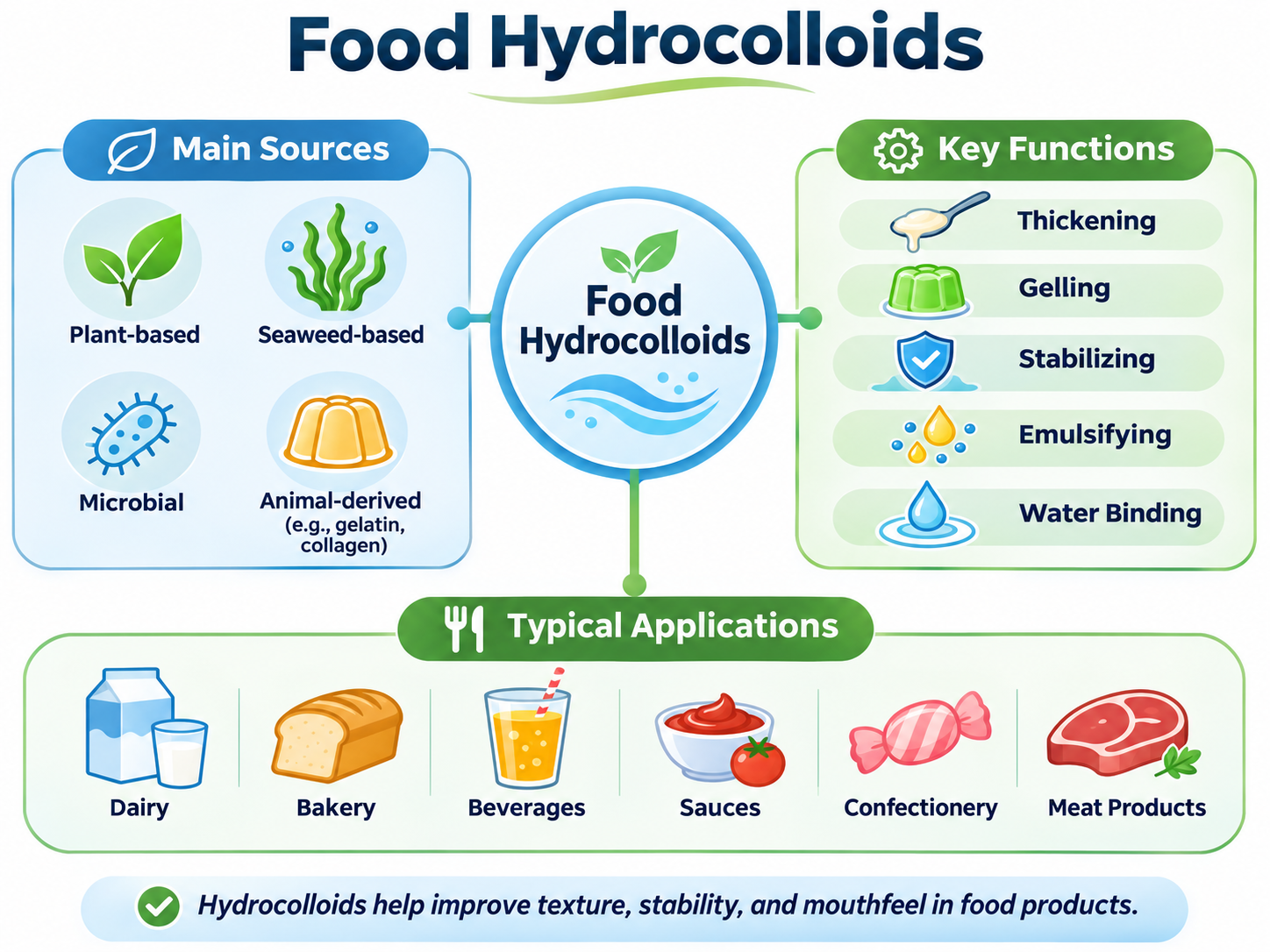
Food hydrocolloids are water-interacting polymers used to adjust texture, viscosity, gel formation and physical stability in food and beverage formulations. Depending on the ingredient grade and formulation conditions, they can bind water, build gel networks or help keep dispersed particles suspended.
Megafood’s hydrocolloid portfolio focuses on carrageenan, pectin and gellan gum—three ingredient families serving distinct texture requirements across confectionery, beverages, dairy products and plant-based foods.
02 / Product Portfolio
Browse three main ingredient families. Each product links to Megafood’s existing grade-specific detail page.
Other related ingredients in the original catalog (such as lactate salts and lactic acid powder) are not presented here as hydrocolloids.
Plant-based gel systems for soft sweets and gummy formulations.
View ProductCarrageenan grade developed for confectionery and gel texture requirements.
View ProductCarrageenan ingredient for selected confectionery formulations.
View ProductPectin ingredient for gummies and plant-based confectionery development.
View ProductPectin ingredient for beverage texture and stability applications.
View ProductPectin for soft sweets and plant-based gummy applications.
View ProductHigh-ester pectin for plant-based confectionery and jam.
View ProductGellan gum for suspension beverages, jelly and pudding.
View ProductGellan gum for dairy products and vegetable-protein beverages.
View Product03 / Functional Performance
Texture requirements vary by application. Hydrocolloid ingredients help formulators manage structure and consistency rather than simply adding viscosity.
Adjust flow characteristics, body and mouthfeel in sauces, beverages and other formulated foods.
Create gel networks for gummies, jellies and desserts with ingredient-specific texture properties.
Help manage particle suspension, sedimentation or phase stability in suitable beverage systems.
Influence moisture binding, consistency and texture retention during appropriate processing conditions.
04 / Ingredient Differences
A practical overview of the main hydrocolloids in Megafood’s range. Product-grade behavior varies, so use this as a starting point for technical discussions.
| Ingredient | Key Function | Common Food Uses | Formulation Considerations |
|---|---|---|---|
| Carrageenan | Gelation, thickening, protein interactions | Gummies, confectionery, dairy systems | Carrageenan type, ions, pH and process conditions |
| Pectin | Gel formation, viscosity, beverage stability | Gummies, jams, fruit products, drinks | Degree of esterification, sugar, acidity and calcium |
| Gellan Gum | Gel networks, suspension, textural design | Suspension drinks, jelly, pudding, dairy and plant-based beverages | Acyl type, ions, temperature and target mouthfeel |
The table describes general ingredient functionality rather than guaranteed performance for every product grade.
05 / Food Applications
Match texture challenges to the ingredient families in Megafood’s current portfolio.
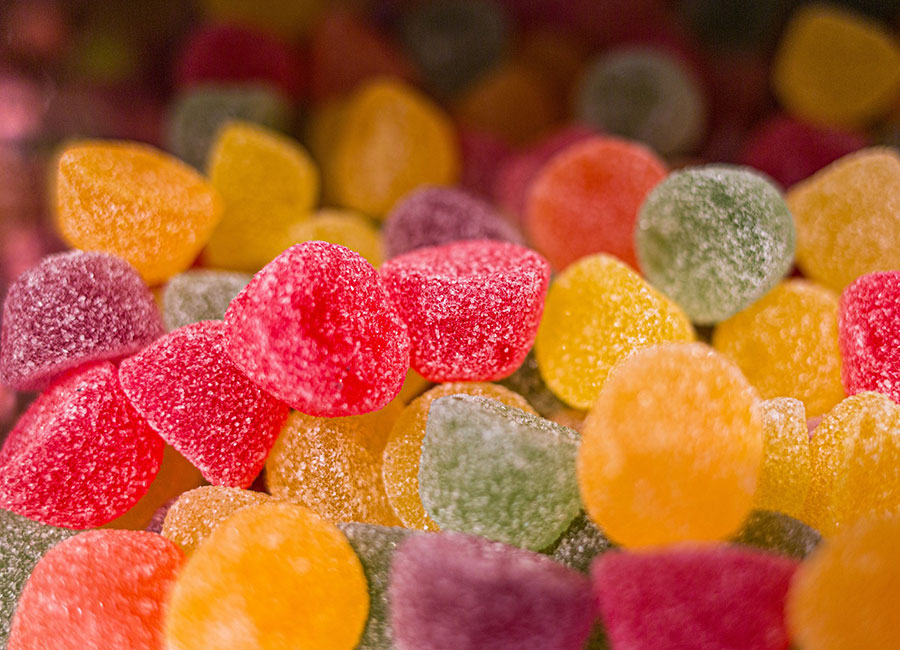
Build plant-based gummy textures, manage setting behavior and adjust bite using appropriate pectin or carrageenan grades.
Carrageenan · Pectin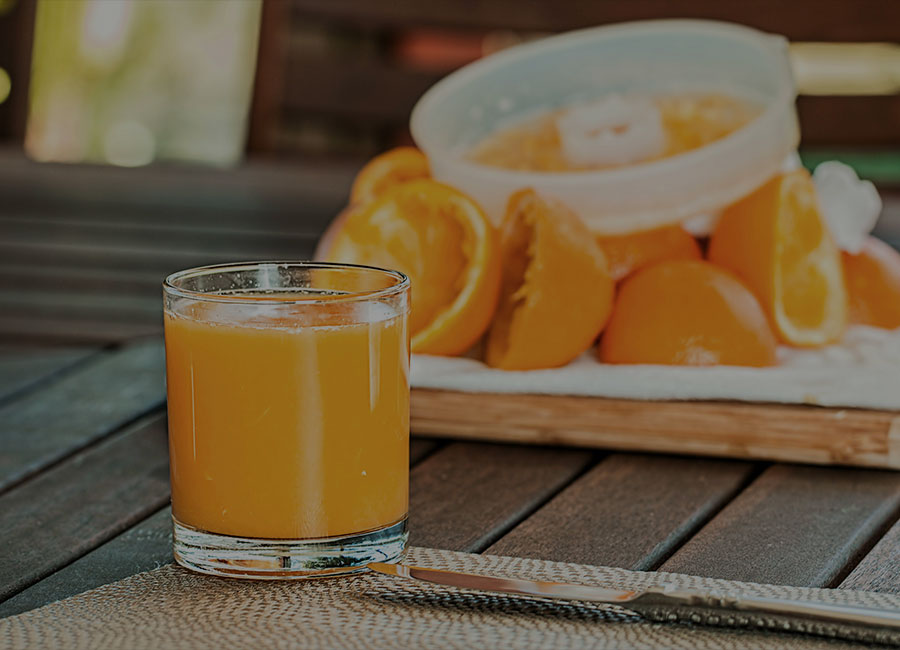
Develop body, mouthfeel and particle suspension in selected drinks using beverage-grade pectin or gellan gum.
Pectin · Gellan Gum
Address consistency and physical stability in dairy or vegetable-protein formulations with appropriate hydrocolloid grades.
Carrageenan · Gellan Gum
Build defined gel textures and consistency in jellies, puddings and other desserts with suitable gellan gum or pectin grades.
Gellan Gum · Pectin06 / Application Expertise
Performance is shaped by more than ingredient identity. Megafood’s different grades help manufacturers explore options suited to end-product texture and processing requirements.
Compare carrageenan, pectin and gellan gum grades based on required gel behavior and application category.
Discuss how heating, acidity, minerals and solids content influence hydrocolloid performance.
Clarify desired firmness, elasticity, suspension, mouthfeel and shelf-life testing requirements.
07 / Your Ingredient Partner
Get access to multiple application-oriented hydrocolloid grades, direct product documentation and a single contact point for food formulation inquiries.
Gummy, beverage, dessert and dairy-focused ingredient options.
Communicate texture, stability and process requirements clearly.
Request relevant specifications and current supporting certificates.
Contact Megafood for ingredient inquiries and supply discussions.
08 / Quality & Compliance
At Megafood, maintaining food safety, consistent ingredient quality and responsible manufacturing practices is central to our customer relationships. We provide supporting documentation to help food manufacturers review the certification status and quality requirements applicable to the ingredients they source.
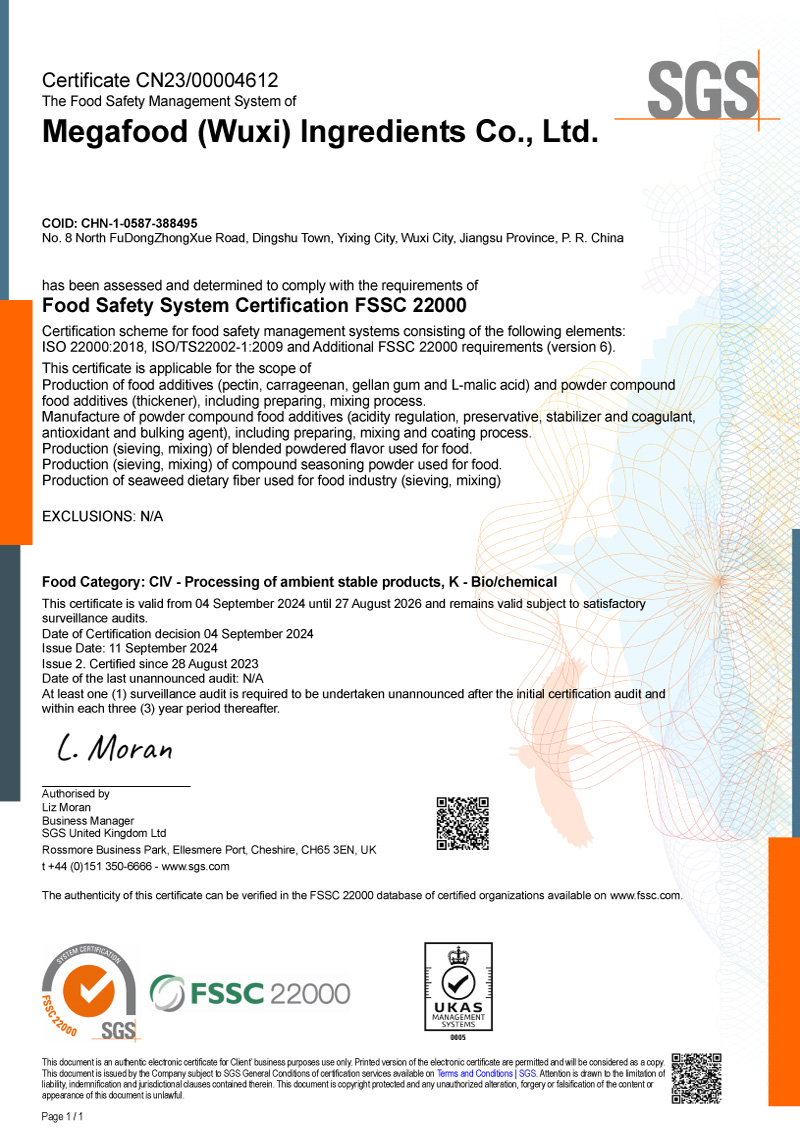
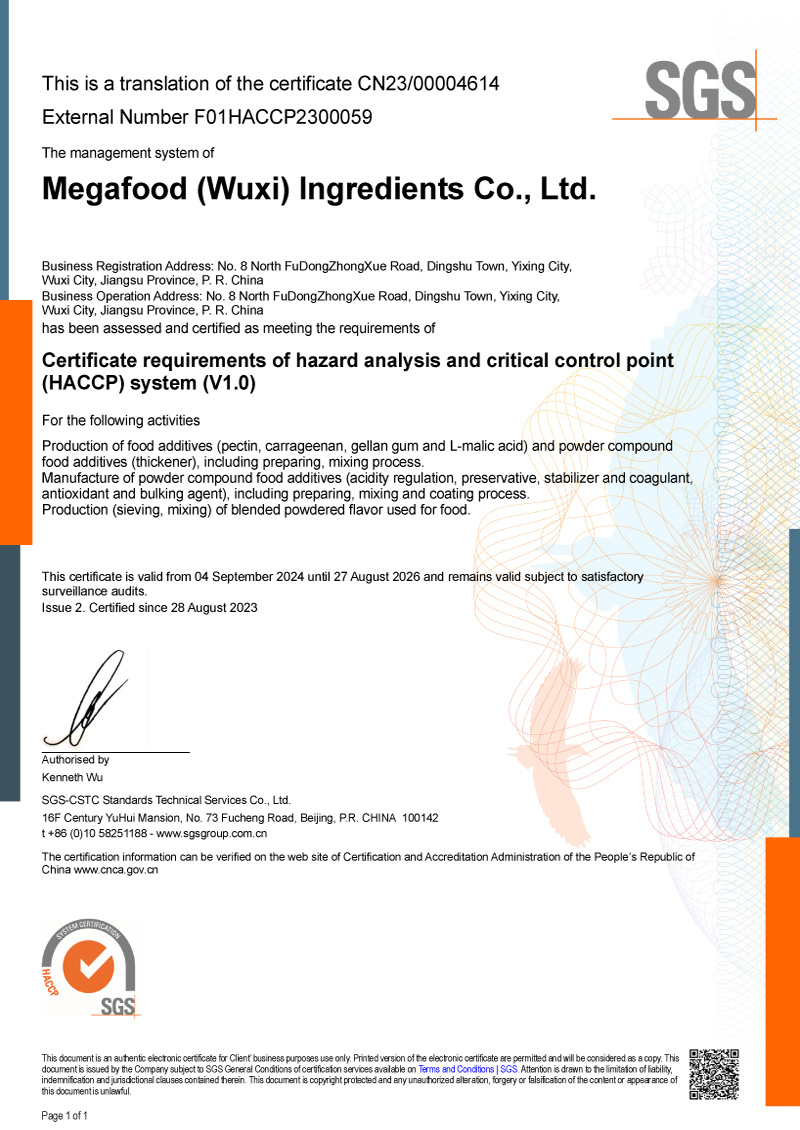
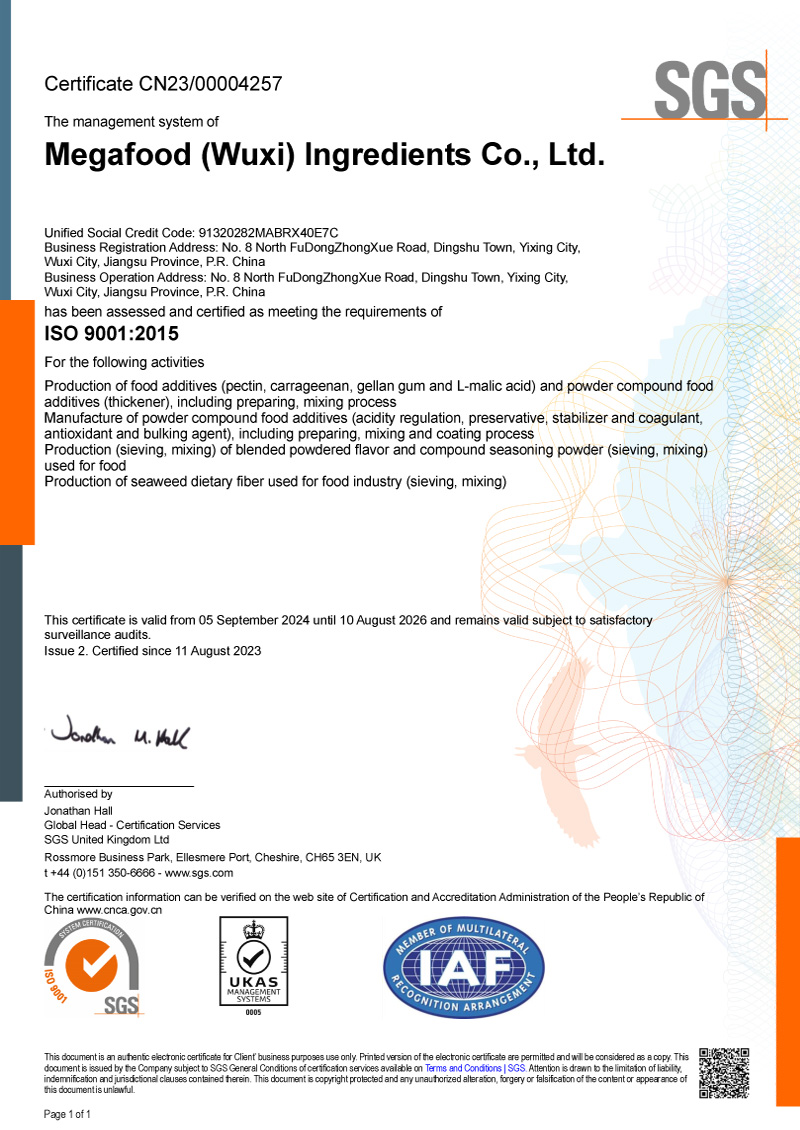
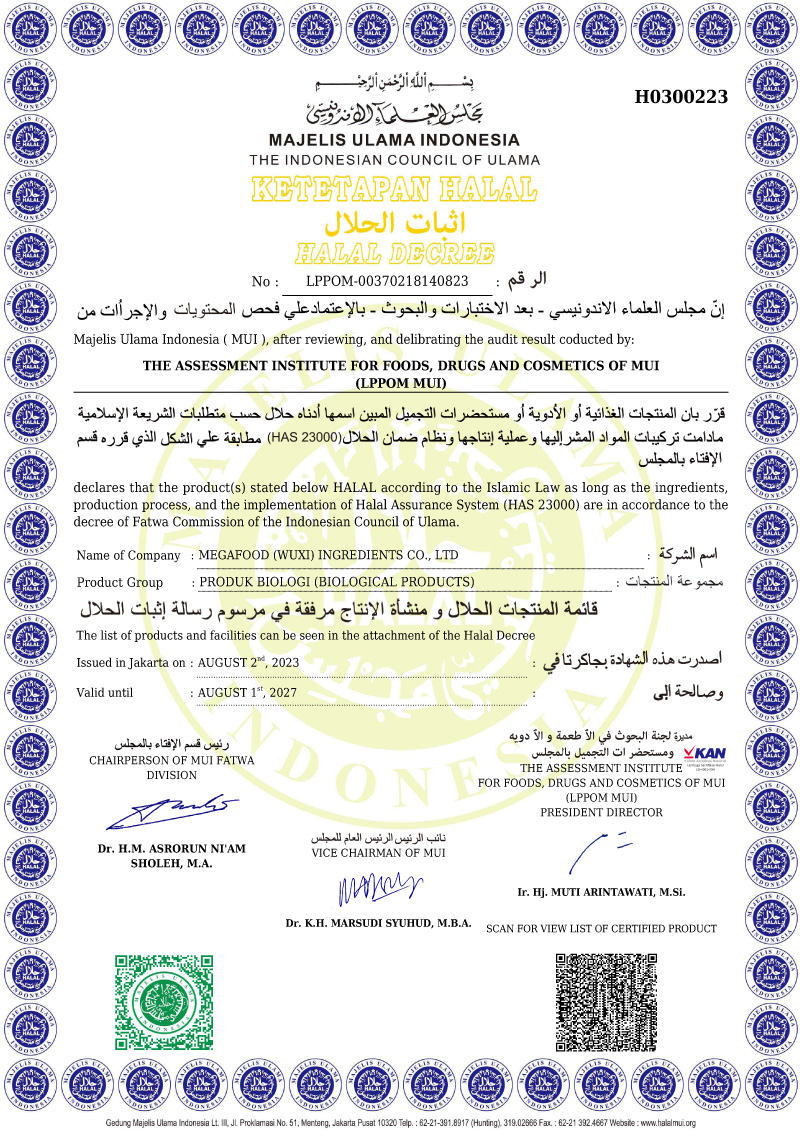
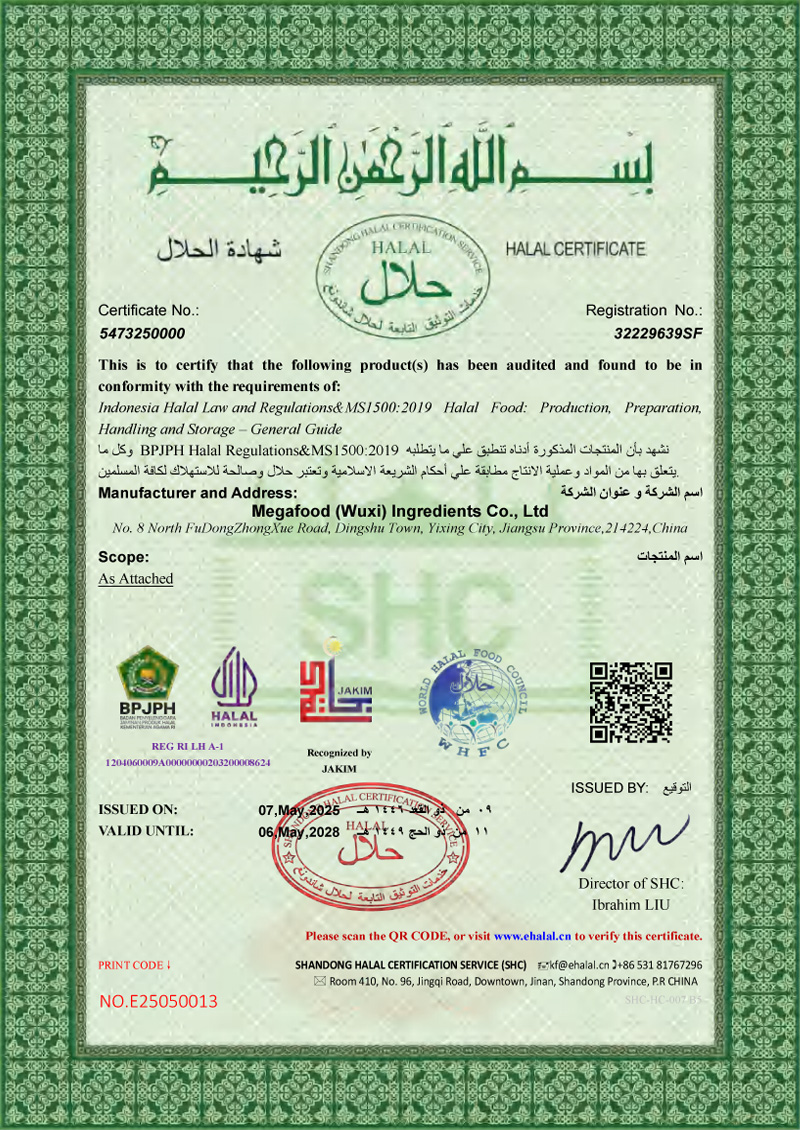
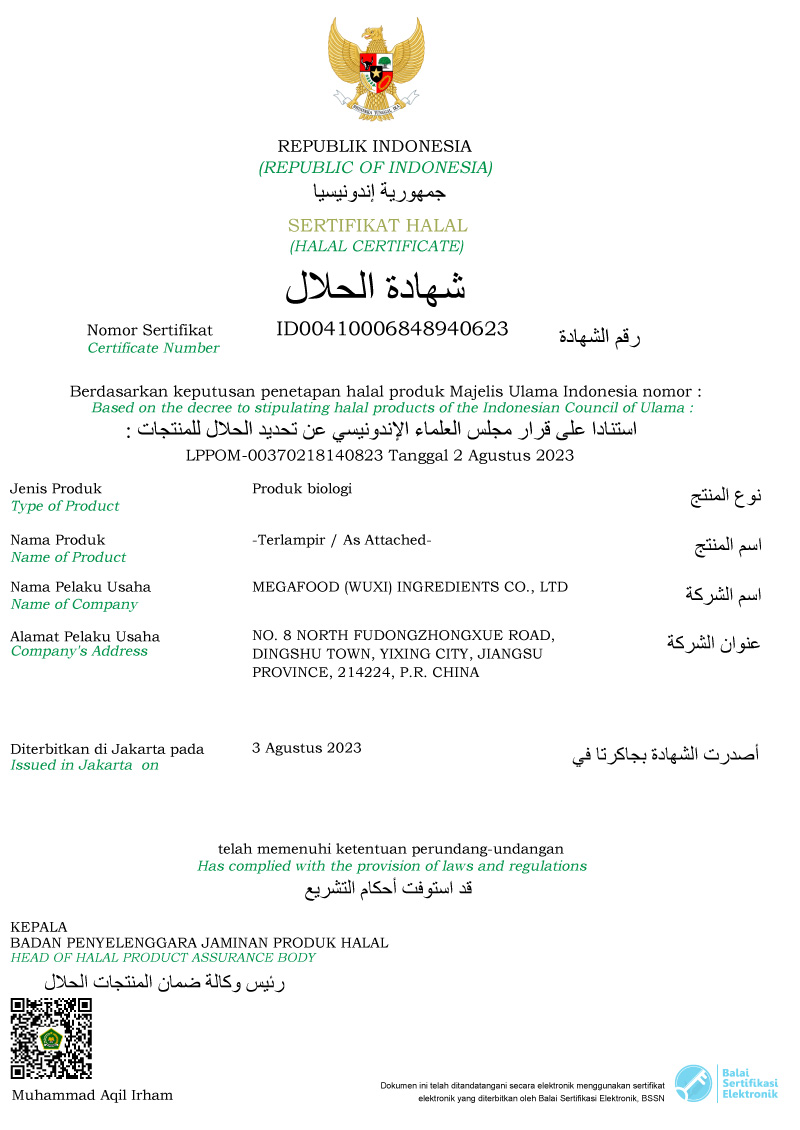
Our documented quality and certification information includes FSSC 22000, HACCP, ISO 9001, STAR-K Kosher, MUI Halal and food facility registration information. Certification coverage can vary by facility, product and validity period; request current documentation for your specific grade and destination market.
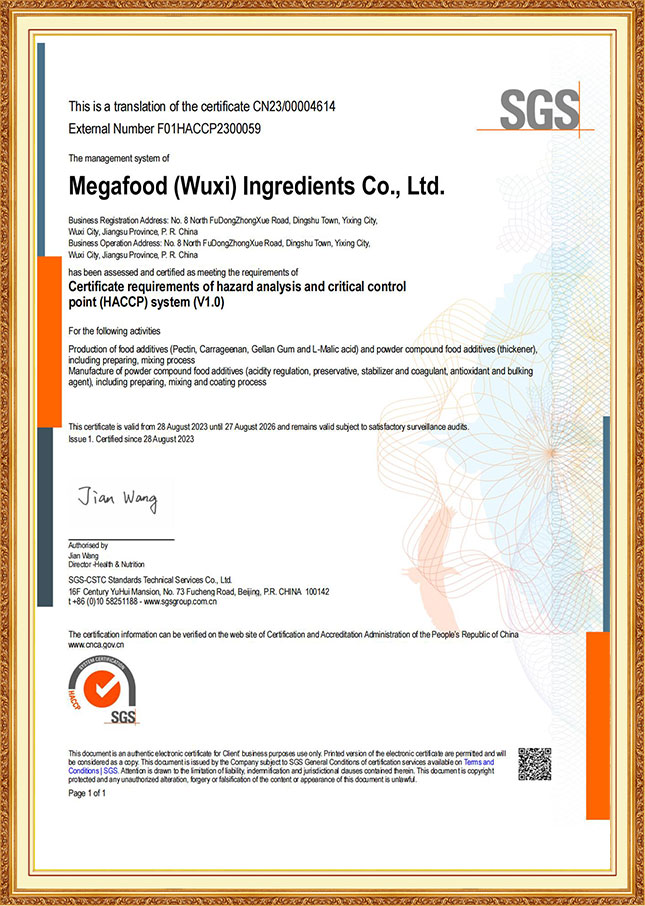 HACCP Food Safety SystemView document ↗
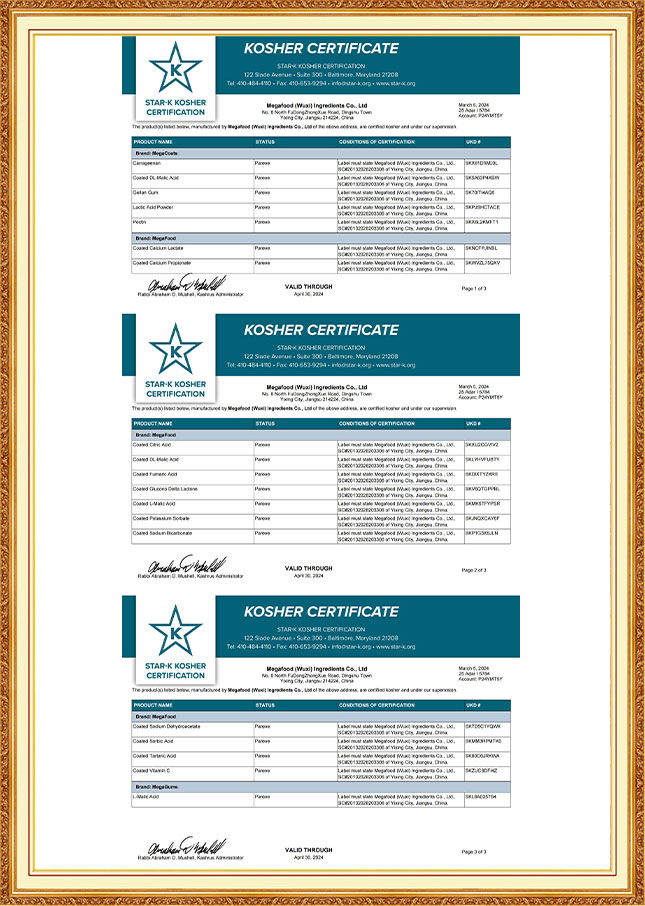 STAR-K Kosher CertificationView document ↗
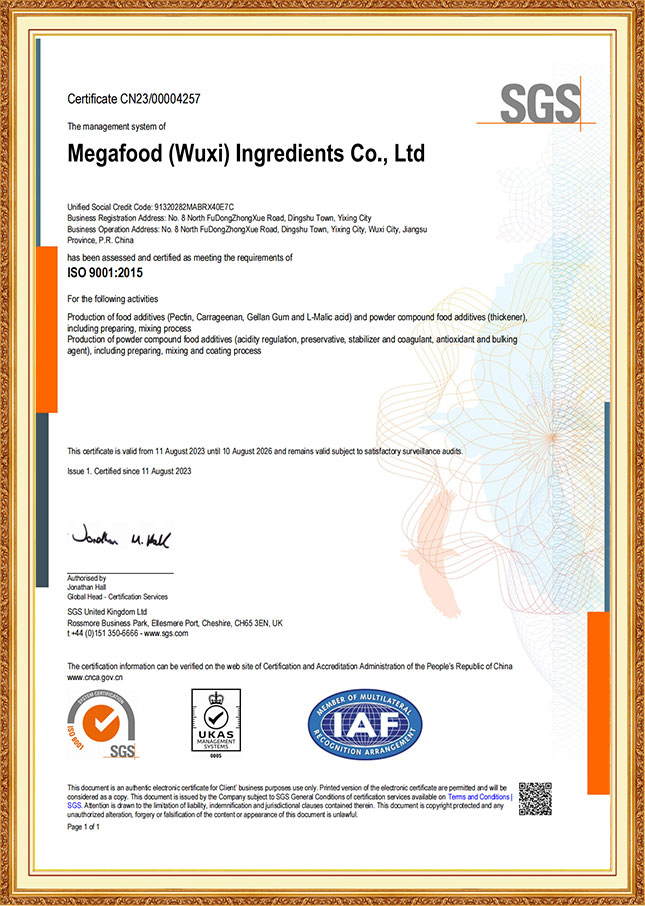 SGS ISO 9001 Quality ManagementView document ↗
Open each original document to review its exact name, issuing body, scope and validity date.
09 / Frequently Asked Questions
Food hydrocolloids are used to thicken, gel, stabilize or modify the texture and flow of foods. Specific functions depend on the ingredient type, grade and formulation.
They are different hydrocolloid families with distinct gelation mechanisms and performance. Carrageenan is seaweed-derived; pectin is typically extracted from plant materials such as citrus peel or apple pomace; gellan gum is produced by microbial fermentation. Grade and processing conditions determine suitability.
Pectin and selected carrageenan grades are commonly evaluated for plant-based gummies. The best choice depends on target texture, pH, solids level and manufacturing process.
Yes. Suitable pectin and gellan gum grades can contribute to beverage mouthfeel, suspension and physical stability. The required dosage and performance must be tested in the final formulation.
Megafood lists Gellan Gum MFLG-1 and MFHG-2 for different applications. Review each product’s technical specification and confirm the exact acyl grade and performance with Megafood before use.
Contact Megafood with your application, required ingredient, processing conditions and target texture. The team can discuss available product information and sample arrangements.
10 / LET’S WORK TOGETHER
Tell us what you are developing. Our team can discuss available carrageenan, pectin and gellan gum grades, technical documentation and sampling for your food formulation.
Telephone: +86-13916430454
Email: Fayewu@megafoodsh.com
Share your product type, texture goal and processing requirements through our official inquiry page.