Views: 0 Author: Site Editor Publish Time: 2026-02-13 Origin: Site


Pectin comes from plants, so many vegans like it.
Citrus fruits, apples, and other fruits have pectin.
Pectin makes foods like jams and jellies thicker.
Some pectin uses animal enzymes, so not all are vegan.
Check the label for vegan signs to be sure it is vegan.
Pectin can replace gelatin, which comes from animals.
You can make pectin at home with apple peels and cores.
Agar, xanthan gum, and chia seeds are also vegan choices.

What is pectin? Many people ask this question when they see it on food labels. Pectin is a type of fiber found in the cell walls of plants. Scientists call it a natural biopolymer. This means it is a large molecule made by living things. What is pectin used for? It helps plants keep their shape and structure. Natural pectin has a complex structure compared to other plant fibers. It can form gels and thicken liquids. These properties make it useful in many foods. What is pectin in food science? It is known for its ability to create smooth textures and hold ingredients together. Natural pectin can also help support healthy gut bacteria in both animals and humans.
Tip: If you want to know what is pectin, remember that it is a plant-based ingredient that helps foods stay thick and smooth.
What is pectin used for in everyday life? It is a popular ingredient in both home kitchens and the food industry. People use it to make jams and marmalades. It gives these spreads their jelly-like texture. What is pectin in candy? It helps make gummy candies and fruit snacks chewy and tasty. Food makers add it to yogurt drinks to keep the liquid smooth and stable. It also improves the feel of juice drinks with pulp. In baking, pectin can replace fat to make treats healthier. Bakers use it in glazes, icings, and creams to keep them thick and stable. What is pectin in low-sugar foods? Some types, like LM pectin, work well in jams and jellies that do not have much sugar.
What is pectin used for?
Making jams, jellies, and marmalades
Creating chewy candies and fruit snacks
Thickening yogurt drinks and juice beverages
Replacing fat in baked goods
Stabilizing glazes, icings, and creams
What is pectin made from? Most commercial pectin comes from fruits and vegetables. Citrus fruits, such as oranges and lemons, are the main sources. Apples also provide a lot of pectin. Other sources include cocoa husk, sunflower heads, sugar beet, pumpkin, watermelon, pears, and potato pulp. These plants have high amounts of natural pectin in their skins and pulp. Food companies extract pectin from these plants to use in many products.
Main sources of pectin:
Citrus fruits (oranges, lemons)
Apples
Cocoa husk
Sunflower heads
Sugar beet
Pumpkin
Watermelon
Pears
Potato pulp
What is pectin? It is a plant-based fiber that helps make many foods thick, smooth, and stable. People use natural pectin every day, often without even knowing it.
Factories make pectin from fruits like apples and citrus. They follow a few steps to get pectin from these fruits:
Workers dry and grind the fruit into small pieces. They wash the pieces with cool water to clean them.
The ground fruit goes through hydrolysis. This step uses acids like nitric or citric acid. The mixture heats up to about 70–95°C for two hours. This breaks down the fruit and releases pectin.
Next, factories separate pectin from the liquid. They add ethanol or isopropanol to the mixture. This makes pectin turn into a solid, which is easier to collect.
The solid pectin is filtered and pressed with a centrifuge. Workers then grind the pectin into a fine powder.
The last step is purification and drying. The pectin is washed with alcohol, concentrated, dried, and ground into tiny particles.
Note: Each step helps make sure pectin is clean and safe to eat.
After extraction, pectin needs more steps to be ready for food. Several methods help make pectin better:
Conventional acid extraction uses acids to get pectin from fruit.
Dilute alkaline extraction uses mild bases.
Chelating agents remove unwanted minerals.
Microwave-assisted extraction and hydrothermal treatment use heat and water.
Microwave-assisted hydrothermal extraction combines both methods.
These methods do not use animal-based substances. This makes pectin good for people who want plant-based foods.
Factories use different additives and agents when making pectin. These help with extraction, cleaning, and making the final product stable. The table below shows common agents used in each process:
Process Type | Additives/Agents Used |
|---|---|
Acid Extraction | Mineral acids (hydrochloric acid, sulfuric acid), citric acid |
Ethanol Precipitation | Ethanol, isopropyl alcohol |
Enzymatic Processing | Enzymes (esterases, polygalacturonases, pectin lyases) |
Most of these agents come from plants or minerals. This keeps pectin good for vegan and vegetarian diets.
Is pectin vegan? Many people wonder about this when they read labels. Pectin comes from plants like fruits and vegetables. This means it is a plant-based ingredient. Lots of companies use pectin in vegan foods. It is popular because it does not come from animals. Pectin works as a gelling agent in jams, jellies, and candies. It helps these foods keep their shape. Is pectin vegan most of the time? Yes, because it is made from plants and does not need animal products.
Pectin is not the same as gelatin. Gelatin comes from animal parts. Pectin needs sugar or acid to make a gel. This means pectin is good for vegans. Many vegan foods use pectin instead of gelatin. People who do not want animal products can pick foods with pectin.
Is pectin always vegan? The answer is no. Sometimes, pectin is not vegan. Some factories use animal-based enzymes to get more pectin from fruit. These enzymes help break down the fruit. If the enzymes are from animals, the pectin is not vegan. This does not happen a lot, but it can happen.
Most pectin does not use animal enzymes. Still, vegans should know about this small risk. If you want to be sure, check the label or ask the company how they make their pectin.
Note: If you see pectin on a label, it is usually vegan. If you want to be extra careful, look for vegan certification.
Vegans eat pectin in many foods. It is found in jams, jellies, fruit snacks, and dairy-free yogurts. Pectin helps these foods stay thick and smooth. Many vegan recipes use pectin as a gelling agent. It is a safe choice for people who do not eat animal products.
Is pectin vegan in every product? Not always. To be sure, follow these steps:
Look for vegan certification logos, such as:
Vegan Society (green sunflower logo)
Certified Vegan Logo (black and white V shape)
V-Label (used in Europe)
Check the ingredients list for things like gelatin, casein, or honey.
Learn about animal-based ingredients so you can avoid them.
Vegans can eat pectin if they check labels and pick certified products. This helps them enjoy their favorite foods without worry.
Pectin and gelatin both help make foods thick and gel-like, but they come from different places. Pectin is a plant-based option. It comes from fruits like apples and citrus peels. Gelatin comes from animals, mostly pigs and cows. This is important for people who do not want animal products.
The table below shows the main differences between pectin and gelatin:
Aspect | Pectin | Gelatin |
|---|---|---|
Source | Derived from fruits, especially citrus peels | Derived from animal collagen, mainly from pigs and cows |
Function | Acts as a thickener in jams and jellies; forms a gel with sugar and acid | Gels when dissolved in hot water; used in desserts and other products |
Pectin works best in foods that need sugar and acid, like jams and jellies. Gelatin makes foods gel when mixed with hot water. People use pectin instead of gelatin to make vegan foods.
Vegans do not eat gelatin for many reasons. Gelatin is made from animal parts like skin, bones, and tendons. Eating gelatin supports animal farming. Many vegans do not want to support animal cruelty. Gelatin is in sweets like gummy candies and marshmallows. These foods are not good for vegans because animals are harmed to make them.
The table below explains why vegans avoid gelatin:
Reason for Avoiding Gelatin | Description |
|---|---|
Animal Origin | Gelatin is derived from the skin, bones, tendons, and ligaments of animals, primarily cows and pigs. |
Support of Animal Agriculture | Consuming gelatin contributes to the animal agriculture industry, which is often viewed as cruel. |
Avoidance of Animal Exploitation | Vegans aim to avoid products that result from animal exploitation, and gelatin is commonly found in many food items. |
Tip: If you want to avoid animal products, use pectin instead of gelatin in recipes.
Pectin is a top choice for vegans. It is a plant-based ingredient that can replace gelatin in many foods. People use pectin to make jams, jellies, and dairy-free foods. Pectin comes from fruit and vegetable peels. It is good for vegans if no animal enzymes are used.
Many vegan recipes use pectin to get the right texture. It helps make spreads, candies, and yogurts thick and smooth. People who are vegan pick pectin because it does not hurt animals. Pectin is a safe and trusted plant-based swap for gelatin.
To find out if pectin is vegan, start by reading the label. Food packages list ingredients by how much is in the food. Pectin is usually in the middle or at the end. Here are some easy steps to check if pectin is vegan:
Look for a vegan symbol on the package. This means there are no animal ingredients.
Read all the ingredients. Watch for words like gelatin, casein, or honey. These are not vegan.
Check allergen statements. These tell you if animal products are used in the factory.
If you are not sure, ask the company. Many companies will answer questions about their food.
Tip: If you see a vegan logo, you can trust the product more.
Vegan certifications make shopping easier for vegans. Trusted groups give these certifications. Each group has its own special logo. Here are some common vegan certifications:
Certification Name | Logo Description | Where You Might See It |
|---|---|---|
Vegan Society | Green sunflower | UK, international |
Certified Vegan | Black and white "V" shape | US, Canada |
V-Label | Yellow with green "V" | Europe, global |
Products with these logos have been checked very carefully. The checks make sure there are no animal parts or animal testing. When you see these logos, you know the food is safe for vegans.
Sometimes, labels do not tell you everything. You might want to ask the company about their pectin. Here are some questions you can ask:
Is your pectin made only from plants?
Do you use animal enzymes when making pectin?
Is your pectin certified vegan by another group?
Can you tell me where your pectin comes from?
Most companies have people who answer questions. You can call, email, or use social media to ask. Good answers help you pick the right foods for your diet.
Note: Asking questions shows you care about your food. It also helps companies know what shoppers want.
If you follow these steps, you can feel sure about picking vegan foods with pectin.
Many people want vegan alternatives to pectin for cooking and baking. These other ingredients help make food thick without animal products. Each one works best in different recipes. Knowing how to use them helps you pick the right one.
Agar and carrageenan come from seaweed. They are well-known vegan choices instead of pectin. People use agar-agar a lot in vegan baking. It helps cakes, puddings, and jellies set up. Agar makes a firm gel and is good for foods that need to hold their shape.
Carrageenan gives foods a creamy and smooth feel. It is used a lot in vegan cheese. Carrageenan helps cheese slices melt and stretch. It also makes dairy-free milks and desserts thicker.
When to use agar:
Vegan jellies
Fruit desserts
Layered cakes
When to use carrageenan:
Vegan cheeses
Creamy puddings
Dairy-free drinks
Tip: Agar sets fast and stays firm. Carrageenan is best for creamy foods.
Xanthan gum is a powder made from fermented sugar. It thickens sauces, salad dressings, and gluten-free baked goods. Xanthan gum keeps mixtures smooth and stable.
Chia seeds and flaxseeds are natural thickeners. When you mix them with water, they turn into a gel. Chia seeds are good for jams and puddings. Flaxseeds are used in vegan baking to replace eggs. Both seeds add fiber and nutrients.
Uses for xanthan gum:
Gluten-free bread
Sauces and dressings
Uses for chia seeds:
Jam and jelly recipes
Overnight puddings
Uses for flaxseeds:
Vegan muffins and cookies
Egg-free pancakes
Note: Chia and flaxseeds give a mild taste and extra nutrition.
Cornstarch is a common thickener in many kitchens. It makes soups, sauces, and puddings creamy. Cornstarch starts to thicken in water at 144–162°F (62–72°C) and gets fully thick at 203°F (95°C). If you cook it too long, it can taste starchy. Heating it for too long can make it less thick.
Advantages of Cornstarch | Disadvantages of Cornstarch |
|---|---|
Thickens food very well | Overcooking can cause a starchy taste |
Makes puddings and soups creamy | Needs heat to thicken all the way |
Looks a little see-through | N/A |
Some starches are changed by chemicals. Labels must say "modified starch," which can confuse shoppers. Some people do not want to buy foods with words they do not know.
Other vegan options are arrowroot and tapioca starch. Arrowroot is good for clear sauces. Tapioca starch is used in chewy desserts and bubble tea.
When to use cornstarch:
Thickening soups and gravies
Making creamy puddings
When to use arrowroot:
Clear fruit sauces
When to use tapioca starch:
Chewy candies
Bubble tea pearls
Picking the best vegan alternative to pectin depends on your recipe. Each one gives different textures and benefits.
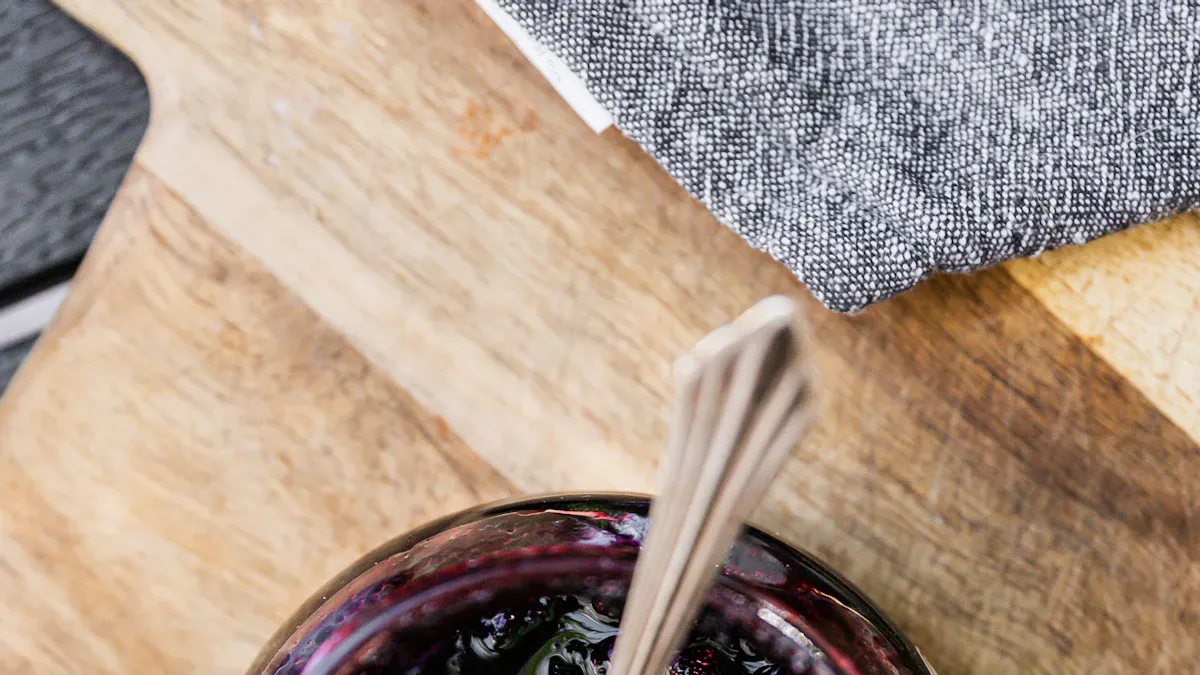
Jams and jellies are some of the most common foods where you see pectin used for thickening. When fruit cooks with sugar and acid, pectin helps the mixture set into a spreadable gel. This process gives jams and jellies their smooth, firm texture. Without pectin, these spreads would be runny and hard to use on bread or toast. Many home cooks and food companies rely on pectin used for making jams and jellies because it works well with many fruits, especially apples and citrus. People who want to avoid animal products can enjoy these spreads, as pectin comes from plants.
Tip: If you make jam at home, adding lemon juice helps pectin work better and gives a brighter flavor.
Many sweets and chewy candies use pectin for their texture. This is especially true for vegan gummies. Pectin is a plant-based gelling agent that comes from fruits like apples and oranges. It gives gummies a clean taste and helps flavors stand out. Pectin also makes gummies look clear and bright, so candy makers do not need to add extra colors.
Here are some reasons why pectin is popular in sweets and vegan gummies:
It is completely vegan and non-GMO.
It has a high melting point, so gummies do not melt easily in warm weather.
It keeps gummies firm during shipping and storage.
It is a good choice for brands that want clean-label, plant-based ingredients.
Pectin used for making sweets is important for people who want treats without animal products. Many stores now sell vegan gummies with a vegan certification label.
Dairy-free yogurts often use pectin to create a creamy and smooth texture. Plant-based yogurts need help to feel like regular yogurt. Pectin interacts with plant proteins and helps form a gel that holds water. This makes the yogurt thick and creamy, not watery.
The table below shows how pectin affects dairy-free yogurts:
Feature | Description |
|---|---|
Pectin's Role | Pectin works with plant proteins to build a gel and hold water, making yogurt creamy. |
Concentration Impact | Too much pectin can stop the yogurt from flowing well and make it too thick. |
Soluble Fiber Effect | Soluble fibers like low-esterified pectin help form a good protein network. |
Many brands use pectin in their dairy-free yogurts to improve taste and texture. This helps people who avoid dairy enjoy a similar experience to regular yogurt.
Pectin is almost always vegan since it comes from fruits like apples and citrus. But it is smart to read labels to avoid rare animal-based additives. Gelatin is made from animals, but pectin is not. Pectin is plant-based and works for vegan diets. Here are some easy tips for vegans:
Pick products with a vegan certification.
Ask companies about what is in their food.
Use plant-based options if you need to.
Key Point | Description |
|---|---|
Pectin Source | Comes from citrus, so it is fully plant-based. |
Health Benefits | Works as a soluble fiber and helps your health. |
Gelling Properties | Needs heat and sugar to gel, so it is best for sweet foods. |
Do you have questions or want to share your vegan food stories? Write them in the comments!
Yes, you can make homemade pectin using apple peels and cores. Boil them with water, then strain the liquid. This homemade pectin works well for jams and jellies. It is a simple way to avoid store-bought options.
Making pectin at home is easy. Use apples, water, and lemon juice. Boil the mixture, then strain it. The process takes about one hour. You can use this homemade pectin recipe for many fruit spreads.
Many vegan-friendly foods use pectin. Jams, jellies, fruit snacks, and dairy-free yogurts often contain pectin. These foods do not have animal ingredients. Pectin helps them stay thick and smooth.
Check the label for vegan certification. Look for symbols like the Vegan Society logo. Read the ingredient list. Ask the manufacturer if you are unsure. Most pectin comes from plants, but rare exceptions exist.
You can use homemade pectin in store-bought recipes. Replace commercial pectin with your homemade version. Adjust the amount based on the fruit and sugar used. Homemade pectin works best in jams and jellies.
A homemade pectin recipe uses apple peels, cores, and water. Boil the ingredients for about one hour. Strain the liquid and use it as pectin. This recipe is easy and helps you avoid animal-based additives.
Pectin is safe for most people. It comes from fruits like apples and citrus. Some people may have fruit allergies. Always check the label and ask your doctor if you have concerns.
Pectin does not change the taste of food. It helps foods set and thicken. The flavor stays the same. Pectin works well in jams, jellies, and vegan-friendly foods.